20 November 2026
Who Is a Good Candidate for Fotona 4D Laser Facial (TimeWalker)?
Presented by @chancevmkn134
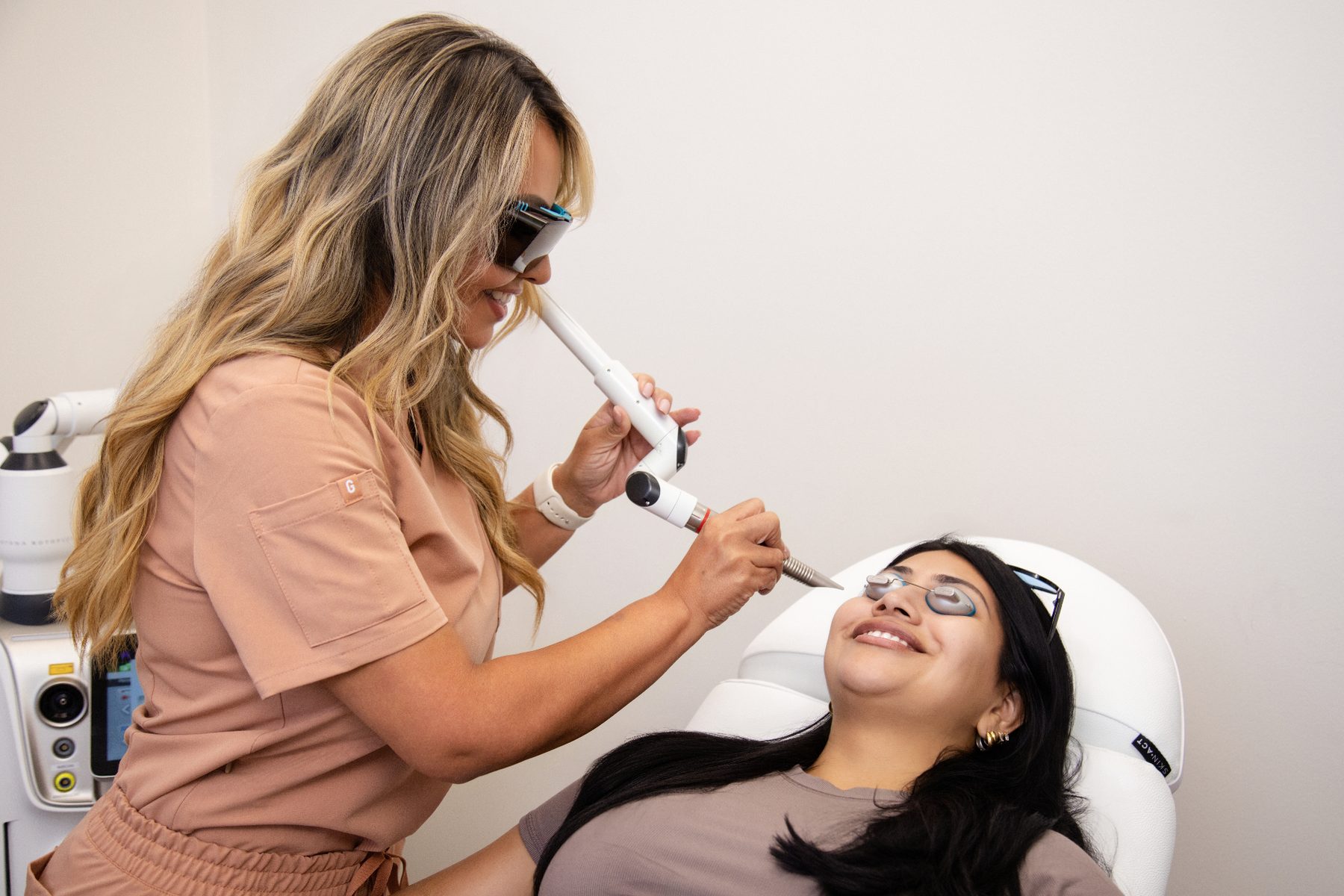
The question comes up often in aesthetic clinics because the Fotona 4D Laser Facial (TimeWalker) sits in a useful middle ground. It is not surgery, so it appeals to people who want visible improvement without downtime that disrupts work or social plans. At the same time, it is more substantial than a light, spa-style facial. It uses layered laser steps to target tone, texture, laxity, and overall skin quality in a way that can feel surprisingly comprehensive for a noninvasive treatment.
That middle ground is exactly why candidacy matters. The treatment can be excellent for the right person, underwhelming for the wrong person, and occasionally inappropriate when expectations do not match what the technology can realistically deliver. The best outcomes usually happen when skin concerns, timing, age-related changes, and tolerance for repeat sessions all line up.
If you are wondering whether you are a strong candidate, it helps to think less in terms of age and more in terms of skin behavior. Is the skin beginning to lose snap along the cheeks or jawline? Has texture become rougher than it used to be? Do the lines around the mouth or lower face look etched in some lights and soft in others? Are you looking for improvement, not reinvention? Those details matter more than the number on your birthday cake.
What the Fotona 4D Laser Facial (TimeWalker) is actually designed to do
The phrase “4D facial” can sound a little marketing-heavy until you understand the concept behind it. The treatment combines several laser modes and treatment depths, typically addressing the skin from inside the mouth as well as from the surface. That internal component is one reason many clinicians like it for the lower face and perioral area. It can stimulate collagen remodeling in places where early sagging and fine lines tend to show up first.
In practical terms, the Fotona 4D Laser Facial (TimeWalker) is usually chosen to improve mild to moderate laxity, soften fine lines, refine texture, brighten dull skin, and support collagen production over time. Some patients also notice a smoother look around the nasolabial folds, marionette region, or upper lip area. Pores may appear tighter. Makeup often sits better after a series because the skin surface becomes more even.
What it does not do is equally important. It will not remove heavy jowls the way a surgical lift can. It will not erase very deep static wrinkles in one session. It will not replace filler if there is significant volume loss in the midface or temples. It can complement injectables or surgery beautifully, but it does not duplicate them.
That distinction is where many candidacy conversations either become honest and productive, or drift into disappointment later.
The strongest candidates tend to share a few traits
The ideal patient is usually seeing the early to middle stages of facial aging and wants meaningful improvement without needles, surgery, or long recovery. In clinic, these are often people in their late 30s through 60s, though younger and older patients can absolutely be appropriate depending on their skin condition.
A very good candidate often has some combination of the following:
- Mild to moderate skin laxity, especially in the lower face, mouth area, and cheeks
- Fine lines, textural roughness, or crepey skin that makes the face look tired
- Realistic expectations and willingness to complete a series rather than judge the treatment after one session
- A preference for low downtime and gradual, natural-looking change
- Overall healthy skin without active infection, significant irritation, or contraindications to laser treatment
That list sounds simple, but the real-world nuance is in how those factors interact. Someone with only subtle changes may be thrilled because the treatment gives them exactly what they wanted, a fresher, tighter look that other people notice without identifying why. Someone with much more advanced aging may still benefit, but only if they understand they are getting improvement rather than a dramatic lift.
Age matters less than the pattern of aging
I have seen younger patients who were poor candidates because their concerns were more about volume loss, acne scarring, or pigmentation that would respond better to different treatments. I have also seen patients in their 60s who did very well because their skin still had enough regenerative capacity, they had moderate rather than severe sagging, and they wanted refinement instead of major structural change.
A person in their 30s might be a good candidate if they are starting to notice early movement from fine lines into faint resting lines, or if the mouth and lower face are beginning to look less crisp. They often respond well because collagen stimulation at that stage can be quite rewarding.
A patient in their 40s or 50s is often right in the sweet spot. This is when cumulative sun exposure, slower cell turnover, and collagen loss start showing up together. The skin may not bounce back the way it once did. The lower face may look heavier by the end of the day. Makeup can settle around the mouth. This is the group that often says, “I still look like myself, just older and more tired than I feel.” That is exactly the sort of concern the treatment can address well.
Patients in their 60s and beyond can also benefit, especially when skin quality is the main issue. The caveat is that if laxity is pronounced, a laser-based tightening approach may need to be paired with other treatments or replaced by a more definitive option.
Skin concerns that respond especially well
The treatment tends to shine when multiple mild issues are present at once. That is one of its advantages over single-focus procedures. Instead of treating only pigment, only texture, or only tightening, it often touches several quality markers in the same treatment plan.
Fine lines around the mouth are a common omniawellnesscenterencino.com Fotona 4D Laser Facial (TimeWalker) reason people ask about it. That area can be stubborn, especially for patients who want to avoid a heavier intervention. The intraoral component can be helpful here because it addresses tissue from a different angle than purely external treatments.
Texture is another strong indication. If the skin looks rough, slightly creased, or “tired” in a hard-to-define way, collagen stimulation plus resurfacing elements can create a healthier finish. This is especially noticeable when skin has become less reflective and more matte with age.
Mild cheek laxity and early jowling can also improve, though this is where candidacy must be assessed carefully. Some patients with subtle looseness look significantly better after a series. Others with heavier tissue descent see only modest change and may feel underwhelmed if they expected a lift.
Patients with enlarged pores or a generally dull complexion often appreciate the treatment even when laxity was their main concern. Sometimes the most satisfying part is not the tightening itself but the cumulative polish in skin quality. Friends do not say, “Did you get laser?” They say, “You look rested.”
Who may not be the best candidate
A good consultation should include reasons to pause or redirect, not just reasons to proceed. The Fotona 4D Laser Facial (TimeWalker) is not a universal answer.
Someone with severe skin laxity is often better served by surgery if their goal is a true lift. Lasers can improve the skin envelope, but they cannot reposition tissue the way surgery can. In those cases, using a noninvasive treatment as a substitute for a facelift can become an expensive detour.
Patients with substantial volume loss may also need a different plan. Hollowing in the temples, cheeks, or under-eye area changes the architecture of the face. Tightening the skin alone does not restore that support. Sometimes laser works nicely after volume has been addressed, but it is not always the first move.
Active acne breakouts, dermatitis, infections, or open wounds are reasons to defer treatment until the skin is calmer. The same goes for people who have recently had significant sun exposure or who cannot avoid sun during the healing period.
There are also practical issues. If a person wants one treatment and then nothing else for years, this may not match their preferences. While some patients see a noticeable benefit after a single session, the best results usually come from a series and sensible maintenance. The collagen response is gradual. That is a strength if you want a natural look, but a drawback if you want an instant transformation for an event next week.
Skin tone, sun exposure, and safety considerations
Laser candidacy always has to include a skin type conversation. The specific settings and technique matter, and experienced providers adjust treatment accordingly. In general, patients with darker skin tones may still be candidates, but careful parameter selection is essential to reduce the risk of post-inflammatory hyperpigmentation or other unwanted effects.
This is not a treatment to schedule casually right before a beach holiday. Recent tanning, sunburn, or heavy sun exposure increases risk and can complicate recovery. Good candidates are able to protect their skin consistently before and after treatment. Daily sunscreen is not a minor footnote here. It is part of the treatment plan.
Medication history matters too. Photosensitizing drugs, certain active skin care products, a history of abnormal scarring, or recent isotretinoin use may require modification or delay depending on the individual case and the provider’s protocol. Patients with recurrent cold sores should mention it, especially when the perioral area is being treated, because antiviral prophylaxis may be appropriate in some cases.
Expectations are often the deciding factor
When outcomes disappoint, it is often not because the treatment failed. It is because the patient expected a different category of result.
The best candidates understand that laser rejuvenation works by improving tissue quality and stimulating remodeling over time. They are comfortable with progress that unfolds over weeks to months. They value subtle tightening, smoother texture, and healthier skin more than a dramatic overnight change.
A phrase I often hear from happy laser patients is, “I still look like me, just better.” That is a strong sign the treatment goal was aligned from the start.
By contrast, the least satisfied candidates are often the ones who say they want a nonsurgical option but describe a surgical endpoint. If someone points to a heavily edited celebrity photo or pulls the skin back at the temples in the mirror and says that is the result they expect, the consultation needs a reset. Honest guidance at that moment is more valuable than enthusiasm.
How to tell whether your concerns fit this treatment or another one
A useful way to think about candidacy is to identify the main thing making your face look older or less refreshed.
If the primary problem is surface quality, meaning rough texture, fine lines, enlarged pores, and dullness, the Fotona 4D Laser Facial (TimeWalker) is often a strong contender.
If the primary problem is descent, such as clearly formed jowls, neck laxity, or heavy lower-face sagging, the treatment may still help but is less likely to be enough on its own.
If the primary problem is missing volume, especially in the midface, laser is usually supportive rather than primary.
If the primary problem is pigmentation, redness, or vascular issues, another laser or light device may be more appropriate, or the plan may need to combine modalities.
That is why the best providers rarely present this as a one-size-fits-all service. They assess the face in layers. Skin, fat, muscle, and bone each age differently. Good candidacy depends on which layer is driving the concern.
What treatment commitment usually looks like
For most patients, a series is more realistic than a one-and-done approach. The exact number varies by skin condition, age, treatment intensity, and provider technique, but many people are advised to start with around three sessions spaced several weeks apart. Maintenance may follow once or twice a year, sometimes more depending on goals and how aggressively aging is progressing.
This matters because candidate selection includes temperament. Some patients enjoy incremental treatments and maintenance. Others find that frustrating and would rather choose a more definitive intervention once. Neither mindset is wrong, but they suit different treatment categories.
Downtime is usually manageable, which is one reason the treatment is popular among professionals. The skin may look flushed, feel warm, or appear slightly rough for a short period. Some people return to normal routines quickly. Others prefer a day or two of social caution depending on treatment intensity and their own skin sensitivity. A patient who can tolerate short-term redness in exchange for gradual collagen improvement is usually a good fit.
Combination patients often do especially well
One of the strongest uses of this treatment is in a broader rejuvenation plan. Patients who combine good skin care, periodic neuromodulators when appropriate, selective filler, and laser often maintain a fresher appearance longer than those who chase one problem with one tool.
That said, timing matters. Stacking too many procedures together without a clear strategy can create confusion, prolonged inflammation, or difficulty judging what actually helped. The best candidate is not necessarily the person doing the most. It is the person following a plan that matches their face and goals.
A common real-world example is the patient with early perioral lines, mild cheek laxity, and generally tired texture. They may do beautifully with Fotona 4D, especially if they also improve sun protection and use a retinoid or other physician-guided topical care. Another patient with similar age but very different anatomy, more hollowing than laxity, may gain more from conservative filler first and laser later.
When timing makes someone a better candidate
Life timing affects results and satisfaction more than people expect. If you have a wedding in ten days, this may not be the ideal moment for a first laser session. If you are entering a season with high sun exposure, waiting may be wiser. If your skin barrier is irritated from overusing acids, retinoids, and exfoliants, the candidacy may be good in theory but poor in practice until the skin calms down.
The best candidates tend to choose treatment windows when they can support healing properly. They are not rushing in before a major event, not actively tanning, and not trying to fix months of neglected skin care in one appointment.
There is also a preventive timing argument. Some patients wait until the signs of aging feel obvious and frustrating. Others start earlier, when changes are still mild. Both can benefit, but earlier intervention often produces a smoother, more satisfying trajectory because the skin still responds readily and the gap between concern and result is smaller.
Questions worth asking at a consultation
A strong consultation should leave you clearer, not just more excited. If you are considering the Fotona 4D Laser Facial (TimeWalker), these questions usually separate a thoughtful plan from a sales pitch:
- What specific concerns on my face is this treatment most likely to improve, and which concerns will it not fix?
- How many sessions do you expect I will need to see meaningful change?
- What degree of downtime should I realistically expect with your settings and protocol?
- Is my skin tone or medical history associated with any added risk?
- Would another treatment, or a combination plan, make more sense for my goals?
Good providers answer directly. They do not promise dramatic lifting if your anatomy makes that unlikely. They do not skip over sun protection, maintenance, or the possibility that another modality may be better.
The bottom line on candidacy
A good candidate for the Fotona 4D Laser Facial (TimeWalker) is usually someone with mild to moderate early aging changes, especially fine lines, texture changes, dullness, and some skin laxity, who wants visible yet natural improvement without surgery and understands that best results come from a series. The treatment is particularly well suited to patients whose goals center on collagen support, smoother texture, and a fresher lower face rather than a dramatic reshaping of facial contours.
The less ideal candidate is someone seeking facelift-level lifting, instant correction of advanced aging, or a single treatment to solve multiple deeper structural issues. That does not mean the treatment lacks value. It means the right tool should match the right problem.
When candidacy is assessed honestly, this treatment can occupy a very valuable place in aesthetic medicine. It can refine, tighten, and refresh in a way that feels believable on the face. For many people, that is exactly enough.
OMNIA Wellness Center
Address: 16430 Ventura Blvd Ste 207, Encino, CA 91436
Phone: (818) 386-8511
FAQ About Fotona 4D Laser Facial (TimeWalker)
What are the benefits of Fotona laser treatment?
OMNIA offers this treatment for concerns such as uneven texture, dull tone, and fine lines. Results and the number of sessions vary, so discuss your goals with a provider.
Is Fotona laser safe?
A qualified provider should review your skin, medical history, medications, and recent sun exposure to determine whether the treatment is appropriate. Ask about possible irritation, pigment changes, and aftercare before booking.
How much does a Fotona 4D facelift cost?
Price depends on the treatment plan and number of visits. Ask OMNIA for an itemized estimate during your consultation.