22 October 2026
What Happens During a Fotona 4D Laser Facial (TimeWalker) Session in Encino, CA?
Presented by @chancevmkn134
If you have been researching non-surgical skin rejuvenation in the San Fernando Valley, you have probably come across the Fotona 4D Laser Facial, sometimes discussed alongside the TimeWalker platform. The name sounds technical, and the treatment itself is more sophisticated than a standard facial, but the patient experience is usually much more straightforward than people expect.
Most first-time patients do not walk into an office worried about the science of erbium and Nd:YAG wavelengths. They want to know simpler things. Will it hurt? How long will I be there? Will I look red afterward? When will I see a difference? Is this a treatment for tightening, texture, lines, or all of the above?
Those are the right questions. A Fotona 4D Laser Facial (TimeWalker) session in Encino, CA is best understood not as one single pass of a laser, but as a layered treatment designed to address the skin from multiple angles. Depending on the provider’s protocol, it may target deeper tissue for tightening, treat the surface for tone and texture, and even work from inside the mouth to stimulate collagen in areas that are difficult to reach from the outside alone.
That combination is what makes it appealing to patients who want visible rejuvenation without surgery and with less downtime than more aggressive resurfacing.
Why people in Encino ask for this treatment
Encino patients tend to be practical about aesthetic treatments. They want results that show up in real life, not only under bright office lighting. That usually means improvement in fine lines, early laxity around the lower face, crepey texture, uneven tone, and skin that simply looks tired. The goal is often to look fresher, firmer, and better rested, not overtreated.
The Fotona 4D Laser Facial (TimeWalker) Encino, CA search trend makes sense for that reason. This is the kind of treatment that fits the patient who is not ready for surgery, does not want injectables alone to carry the entire burden of rejuvenation, and likes the idea of collagen stimulation over time.
Encino also has a broad patient base. Some are professionals who want minimal interruption to work. Some are parents squeezing in an appointment between obligations. Some already do maintenance treatments like peels, neurotoxin, or microneedling and want something stronger. Others are laser newcomers who are specifically trying to avoid the recovery associated with fully ablative resurfacing.
For all of them, the most useful thing is to know exactly what the session feels like from the moment they arrive.
Before the laser even starts
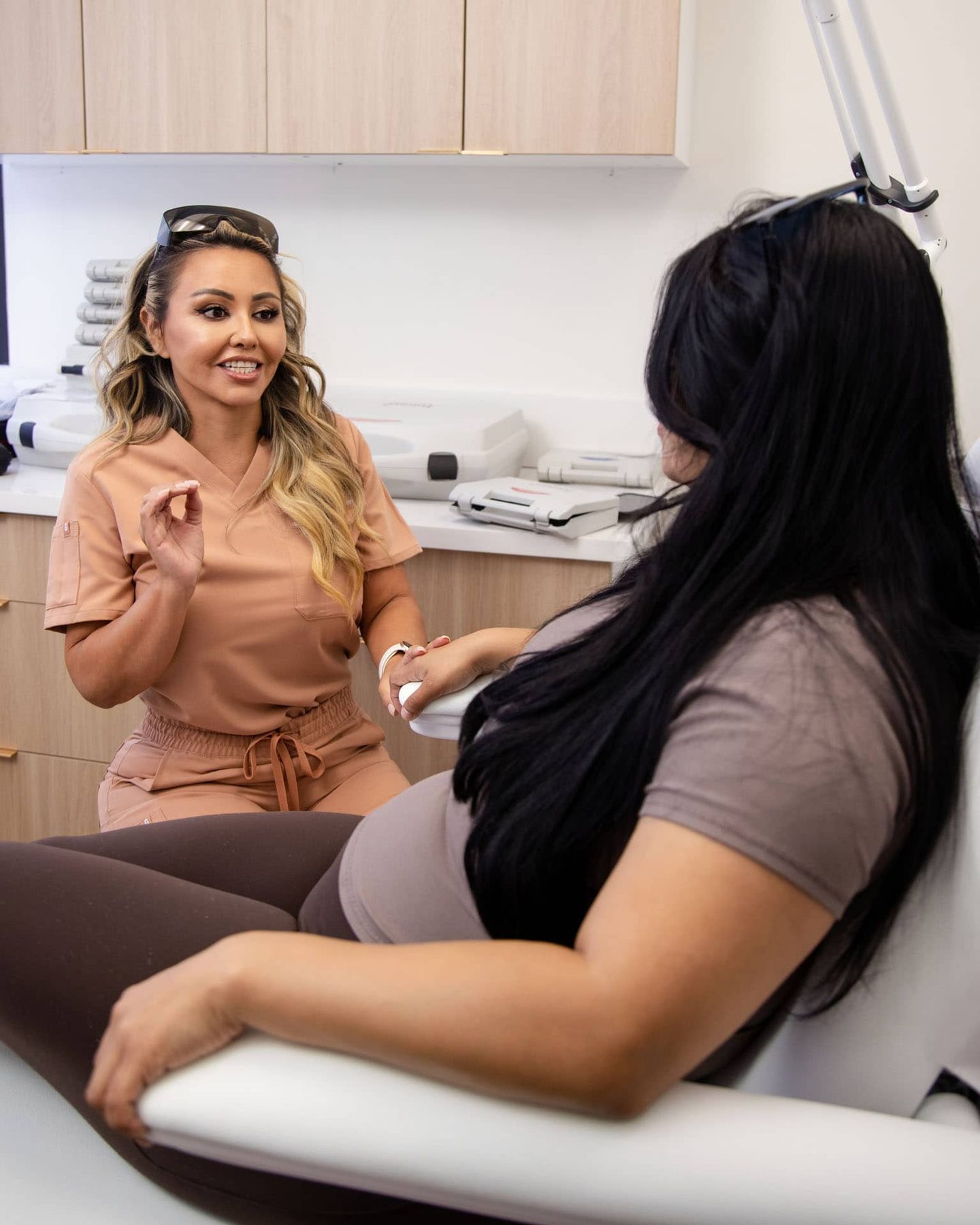
A proper session begins with consultation and skin assessment, not with handing someone goggles and turning on a machine. Even when a patient has already committed to treatment, a good provider will review medical history, recent sun exposure, skincare use, history of cold sores, previous laser treatments, and whether there is any active irritation or acne breakout that could affect timing.
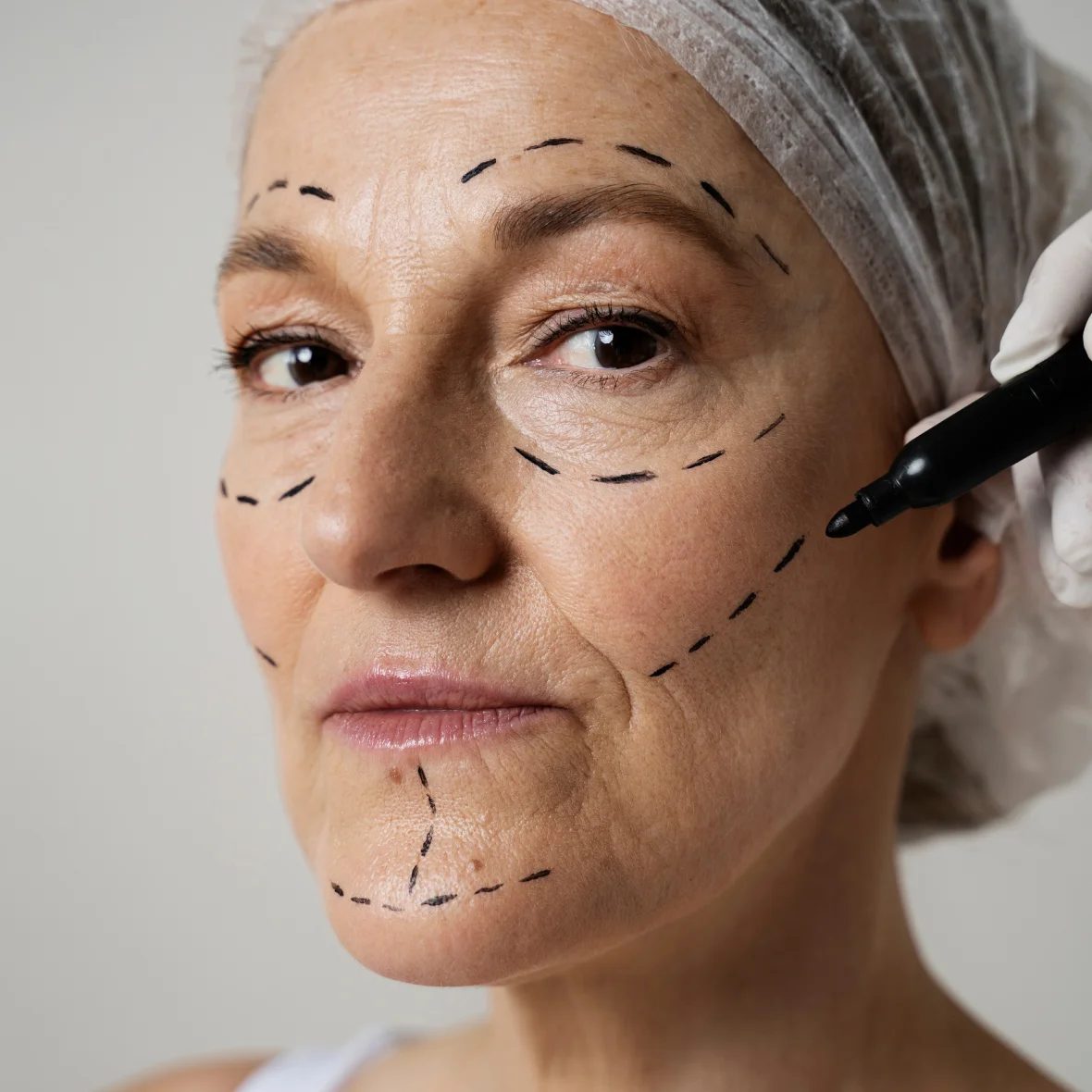
This matters because laser settings are not one-size-fits-all. Skin type, pigment tendencies, current tan, degree of laxity, and treatment goals all influence the plan. A patient with mild early jowling and textural roughness may need a different approach than someone focused on lip lines and under-eye crepiness. The office may also take baseline photos, which many patients appreciate later because gradual collagen remodeling can be hard to track by memory alone.
In real practice, one of the most common surprises is how much the pre-treatment conversation shapes the outcome. A patient may come in asking for “tightening,” but when you talk for ten minutes, it becomes clear that what really bothers them is perioral texture, a softening jawline, and makeup settling into fine lines. That changes where the emphasis goes.
Your skin is then cleansed thoroughly. Any makeup, sunscreen, oil, or residue needs to come off. Some offices apply a topical numbing cream for certain portions of treatment, while others use cooling and adjust settings so numbing is minimal or unnecessary. Not every step of a Fotona 4D-style session requires the same comfort measures.
Protective eyewear is placed before the external portions begin. If the provider is treating the intraoral component, they will explain that part separately so you know what to expect.
The “4D” part is about layers, not marketing fluff
The reason this treatment earned the 4D name is that it typically combines four treatment modes or stages, each aimed at a different depth or tissue response. Offices may customize the sequence, and not every provider uses identical language, but the underlying idea remains the same: stack complementary laser effects in one session.
One of the more distinctive elements is the intraoral step, often used to heat tissue from inside the mouth along the cheeks and around the lips. Patients are often intrigued by this because it sounds unusual, but it is one of the features that sets the treatment apart from many conventional facial laser sessions. By treating from the inside, the provider can stimulate contraction and collagen remodeling in tissue planes that are hard to target externally with the same precision.
Other steps focus on deeper dermal heating, superficial polishing, and textural refinement. In practical terms, the session may address volume support, skin tightening, roughness, enlarged pores, and fine lines in a layered way.
That layered strategy is why a patient may leave saying, “It felt like several different treatments in one appointment,” because in many ways, it is.
What the session actually feels like
A typical appointment often runs anywhere from about 45 minutes to 90 minutes, depending on how extensive the treatment is, whether the face alone is treated, and how much customization is involved. Add a little extra time for check-in, photos, consent, numbing if used, and post-care review.
The first active phase may involve deeper heating. This often OMNIA Wellness Center Fotona 4D Laser Facial (TimeWalker) Encino, CA feels warm, repetitive, and tolerable, with brief moments of sharper sensation over thinner or more sensitive areas. Patients usually describe it as heat building in the skin rather than a sudden sting. Around the jawline, cheeks, and nasolabial region, the pulses may feel firm and purposeful. You know something is happening, but it is not typically the sort of discomfort that stops the session.
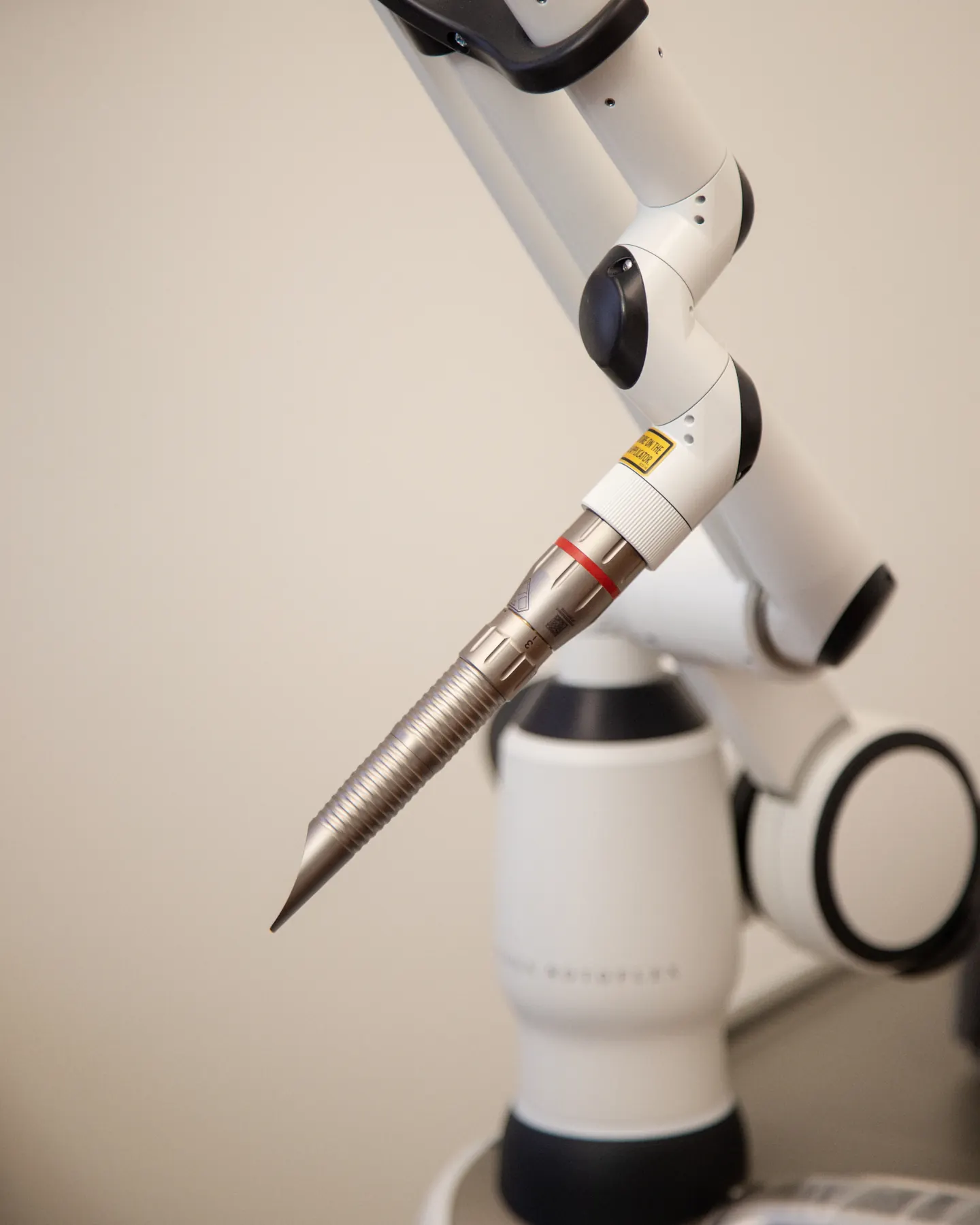
The intraoral step feels different. A handpiece is placed inside the mouth to treat the inner cheeks and perioral area. Most patients are surprised that this part is manageable. It can feel warm and slightly strange simply because people are not used to laser treatment from inside the mouth, but it is usually brief. The provider moves methodically and checks comfort as they go. Patients with sensitive gag reflexes or significant anxiety may need more coaching, but most tolerate it well.
The more superficial polishing or resurfacing step tends to create a crisper sensation on the skin’s surface. Patients often compare it to tiny snaps of heat or a gritty warm brushing feeling, depending on the settings used. This is frequently the phase where texture-focused work is most noticeable. Around the nose, upper lip, and lower eyelids, people may flinch a little more because those areas are naturally delicate.
If there is a final light resurfacing pass, the skin may feel increasingly hot by the end, much like a concentrated sun-warmed sensation. Offices commonly use cooling air, pauses, or compresses to keep this comfortable.
What matters is that the session does not feel identical from start to finish. It changes by stage, depth, and area of the face. That is normal.
What your provider is watching during treatment
Patients understandably focus on sensation, but the provider is focused on tissue response. They are watching for endpoint reactions, skin color changes, heat tolerance, and whether the treatment is achieving enough energy delivery without pushing into unsafe territory.
That judgment matters more than most people realize. Overtreating does not equal better results. Undertreating can waste the patient’s time and money. The best sessions are calibrated, not aggressive for the sake of drama.
For example, a patient with fair skin and diffuse redness may tolerate one approach well, while a patient with more melanin-rich skin may need more caution around surface-level settings to reduce the risk of post-inflammatory pigment changes. A patient with etched lip lines may benefit from focused perioral attention, while another with broad lower-face laxity may need more emphasis on deeper tightening.
This is where experienced laser hands show. The machine matters, but operator judgment matters just as much.
Right after the session
Immediately afterward, most patients look flushed. Think moderate workout flush to sun-exposed warmth, depending on treatment intensity. Some areas may be pinker than others, especially around the mouth, cheeks, or under-eye region. Mild swelling is common, particularly if more aggressive textural work was performed.
The skin often feels hot for a short period. Many patients describe it as a lingering sunburn sensation that fades over several hours. If the treatment included a resurfacing component, the skin may also feel dry, tight, or slightly rough as it begins the recovery process.
Not everyone leaves looking the same. One patient may walk out mildly pink and feel comfortable going about the day with little concern. Another may be visibly red for 24 to 48 hours and prefer to keep their schedule light. That range is normal, and it is one reason realistic pre-treatment counseling matters.
The phrase “no downtime” can be misleading in aesthetics. A better description for many Fotona 4D-style sessions is “limited downtime,” with the exact amount depending on settings, skin sensitivity, and how much surface work was included.
The first week: what changes, and when
The early recovery window is often where patient expectations need the most guidance. Some people expect to look dramatically tighter the next morning. While there can be a subtle immediate brightening or mild tightening effect from tissue contraction and swelling, the meaningful improvement usually builds over time.
In the first few days, redness settles. The skin may feel drier than usual, and some patients notice a sandpapery texture as superficial turnover progresses. Makeup application can be a little uneven if the skin is flaking lightly. This is not unusual, especially after stronger settings.
By the end of the first week, many patients notice that the skin looks smoother, fresher, and more reflective. Pores can appear softer. Fine textural irregularities may improve earlier than deeper laxity. If the treatment plan emphasized perioral lines, those areas often continue evolving over the next several weeks rather than all at once.
The collagen story unfolds more slowly. Heat-based laser rejuvenation is partly about wound healing and remodeling. That takes time. It is common for patients to see their best improvement over several weeks to a few months, especially when a series is recommended.
How many sessions people usually need
A single session can absolutely produce visible change, especially for skin quality and early tightening. But many patients benefit most from a series. Depending on age, baseline laxity, skin condition, and goals, providers often recommend multiple treatments spaced weeks apart.
This is one place where honest counseling matters. A Fotona 4D Laser Facial is not a face-lift substitute for someone with advanced skin laxity or heavy jowling. It can improve and refine, but it has limits. Patients in their thirties and forties with early changes often respond beautifully because the treatment is working with tissue that still has good regenerative potential. Patients with more advanced aging can still benefit, but the gains may be subtler and are often best seen as part of a broader plan.
Maintenance also matters. Sun exposure, smoking, untreated rosacea, inconsistent skincare, and major weight fluctuations can blunt or shorten results. Good treatment can only carry the skin so far if daily habits keep undermining it.
Who tends to be a good candidate
This treatment usually suits adults who want non-surgical rejuvenation with moderate downtime and a collagen-stimulating approach. It can be especially appealing for those bothered by early sagging, perioral lines, rough texture, and a general loss of vitality in the skin.
Good candidates usually have realistic expectations, no active skin infection in the treatment area, and no recent sunburn or heavy tan. They understand that tightening from energy-based treatments is typically incremental rather than dramatic overnight. They also understand that laser planning depends on skin type and that not every device or setting is ideal for every complexion.
Candidacy is not just about whether you can have the treatment. It is also about whether it is the best use of your time and money. There are cases where a different laser, radiofrequency microneedling, injectables, surgery, or a combination approach may make more sense.
That is especially true if the main concern is volume loss rather than skin quality, or if the patient wants correction beyond what collagen stimulation can reasonably deliver.
Practical aftercare that makes a difference
Aftercare is usually uncomplicated, but it matters. The skin is temporarily more reactive after laser treatment, and patients who do well tend to be the ones who keep things simple.
A typical recovery plan includes the following:
- Use a gentle cleanser, bland moisturizer, and broad-spectrum sunscreen.
- Avoid retinoids, acids, exfoliants, and active skincare until your provider says to restart.
- Skip intense heat exposure for a short period, including saunas, very hot workouts, and prolonged direct sun.
- Do not pick, scrub, or over-treat dry or flaking skin.
- Contact the office if swelling, discomfort, or redness seems to be worsening rather than improving.
This sounds basic, but it is where patients sometimes go off track. The person who feels a little rough on day three and decides to “buff off” the skin with a scrub is usually the person who creates avoidable irritation.
Questions patients in Encino commonly ask
One frequent question is whether this is safe before a social event. The answer depends on the event and the settings used. If someone has a wedding, photoshoot, or major appearance, I usually prefer a cushion of time rather than treating too close and hoping their skin behaves predictably. Even mild swelling or patchy dryness can be frustrating when timing matters.
Another common question is whether the treatment replaces Botox or filler. Usually, no. It does different work. Botox relaxes muscle-driven lines. Filler restores lost structure or volume. A Fotona 4D Laser Facial (TimeWalker) session improves skin quality and can support tightening. These modalities often complement each other rather than compete.
Pain is another major concern. Most patients tolerate the treatment better than they expected, especially when the provider sets expectations honestly. The sensation is real, but it is usually manageable, and the session is finite. Patients who go in expecting a spa facial are the ones most caught off guard. Patients who expect a purposeful medical treatment usually do well.
People also ask whether one treatment area can be targeted more heavily than another. Yes, often. For example, if the upper lip lines are the main issue, the provider may spend more attention there. If lower-face laxity is the bigger concern, the plan may shift accordingly.
What results tend to look most natural
The best outcomes rarely announce themselves as “she had laser.” They show up as smoother skin under makeup, less crinkling around the mouth, a little more firmness along the jawline, softer textural irregularities, and an overall rested look. Friends may say you look healthy or refreshed without knowing why.
That natural quality is one reason the Fotona 4D Laser Facial (TimeWalker) Encino, CA interest continues to grow. It appeals to patients who do not want abrupt changes. They want skin that behaves younger, reflects light better, and holds itself a bit more firmly.
It is also why treatment planning should be individualized. A person in their late thirties Fotona 4D Laser Facial (TimeWalker) Encino, CA may only need occasional maintenance and skincare support. A person in their fifties with more cumulative sun damage may need a series, plus a broader strategy. Good laser practices know the difference and do not pretend every face responds the same way.
The real takeaway from a first session
A first Fotona 4D or TimeWalker-style session is usually less mysterious than the name suggests and more nuanced than a conventional facial. You arrive, review your history and goals, have your skin prepped, move through several treatment stages, feel varying levels of heat and snap depending on the area, leave flushed, and then watch the skin improve in phases rather than all at once.
That progression is part of the point. This is not simply a quick polish on the surface. It is a layered laser treatment aimed at stimulating change from deeper tissue through the visible skin surface. For the right patient, in the right hands, that makes it a valuable option for rejuvenation that sits between lighter maintenance procedures and more invasive interventions.
If you are considering a Fotona 4D Laser Facial (TimeWalker) in Encino, the most important factor is not the buzz around the device. It is whether your provider evaluates your skin carefully, explains the likely response honestly, and tailors the session to what your face actually needs. That is what turns a popular treatment into a worthwhile one.
OMNIA Wellness Center
16430 Ventura Blvd Ste 207, Encino, CA 91436
Phone: +1 818-386-8511
FAQ About Fotona 4D Laser Facial (TimeWalker) Encino, CA
What is a Fotona laser good for?
Fotona lasers support several different aesthetic protocols. The Fotona 4D facial uses two wavelengths and four treatment modes to address concerns such as fine lines, skin texture, and mild laxity. OMNIA Wellness Center offers the TimeWalker facial with an individual consultation. Suitability and likely improvement depend on the person's skin and goals; results are not guaranteed, and this treatment does not reproduce a surgical facelift.
How much does a Fotona laser treatment cost?
The cost depends on the treatment protocol, areas treated, number of sessions, and provider's assessment. Ask OMNIA Wellness Center for a current written quote that explains what is included, whether follow-up is included, and any proposed package terms. An individualized estimate is more useful than assuming that one advertised price applies to every facial treatment.
How much downtime is there after a Fotona laser procedure?
Recovery varies with the specific protocol and intensity. Fotona describes its 4D facial as having little to no downtime, but temporary redness or sensitivity can occur, and a stronger surface treatment can require more recovery. Ask the treating clinician what to expect from the planned settings, how to care for the skin afterward, and when to contact the clinic with concerns.