24 September 2026
The Rise of Fotona Laser Treatments in Encino, CA
Presented by @chancevmkn134
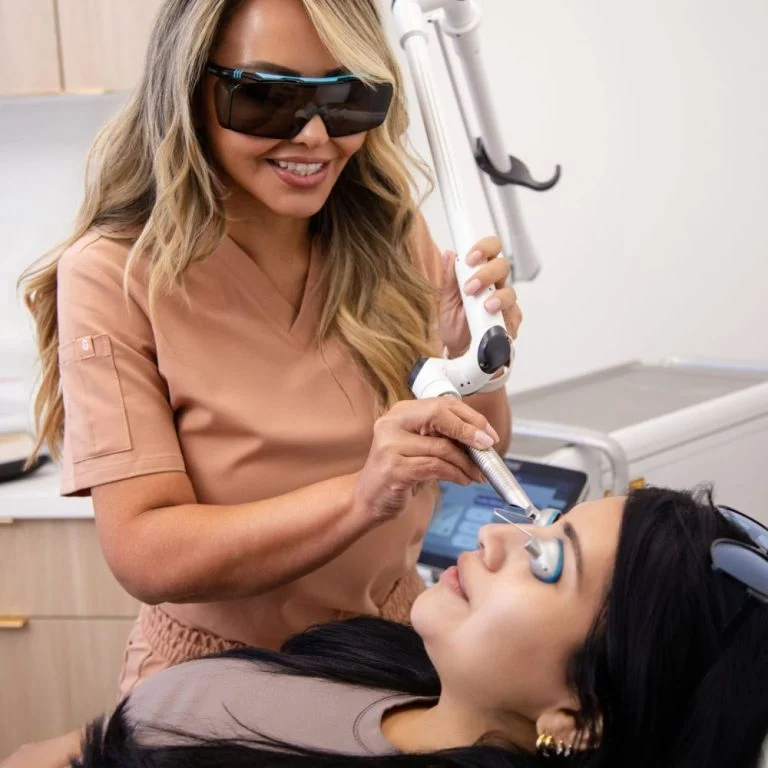
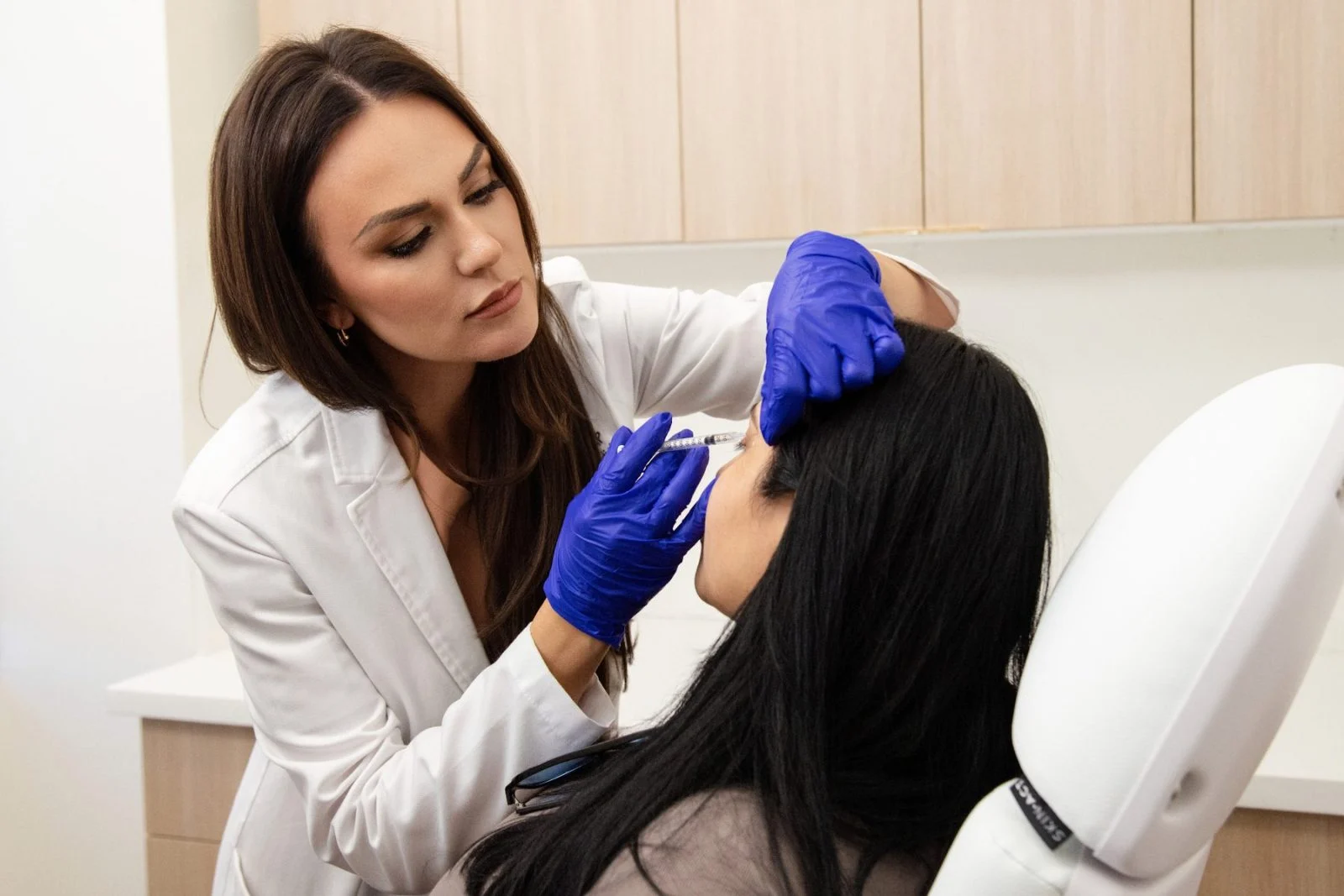
Encino has long been a place where cosmetic medicine and practical self-care meet in a very specific way. Patients here are rarely chasing novelty for its own sake. They tend to ask sharper questions. How much downtime is involved? Will results look natural? Is the treatment Fotona Laser Treatments Encino, CA versatile enough to address more than one concern? Can it fit into a real schedule that includes work, family, social obligations, and life in Los Angeles traffic?
Those questions help explain why Fotona laser treatments have gained so much traction in this part of the San Fernando Valley. The technology appeals to a patient base that wants visible improvement without automatically jumping to surgery, extended recovery, or treatments that leave the skin looking overworked. In recent years, many practices have noticed a clear uptick in interest around Fotona Laser Treatments Encino, CA, especially among patients looking for a middle ground between injectables, traditional resurfacing, and more invasive procedures.
That rise did not happen by accident. It reflects a broader change in how people think about aesthetic care, along with some very practical strengths built into the Fotona platform itself.
Why Fotona stands out in a crowded aesthetic market
Encino is not short on cosmetic options. Patients can choose from RF microneedling, IPL, fractional lasers, chemical peels, ultrasound tightening, neuromodulators, fillers, and an ever-changing stream of branded services with polished marketing behind them. To stand out in that environment, a device has to do more than sound impressive. It has to perform consistently in a real clinical setting.
Fotona has built a strong reputation because it is not a one-note laser platform. Depending on the handpiece, wavelength, and protocol, it can be used for skin resurfacing, tightening, texture improvement, acne scar revision, vascular concerns, pigmentation support in select cases, and even intraoral tightening approaches designed to stimulate collagen from inside the mouth. That versatility matters to both providers and patients.
From a provider’s perspective, a platform that can be adjusted for different depths, tissue interactions, and treatment goals offers more control. From a patient’s perspective, it means the conversation can be more tailored. Instead of being fit into a narrow treatment category, the patient can be evaluated based on skin quality, age, goals, tolerance for downtime, and budget.
That flexibility has real value in Encino, where practices often serve a wide mix of patients, including young professionals trying to stay ahead of early skin laxity, parents dealing with acne scars they have carried for years, men interested in subtle rejuvenation without looking “done,” and older patients who want improvement but are not ready for surgery.
The local appeal of non-surgical rejuvenation
There is a strong aesthetic culture in Southern California, but the tone in Encino is distinct. Patients often want to look refreshed rather than transformed. They may be highly informed, but they are also skeptical of exaggerated claims. They are less interested in trends than in outcomes that hold up under daylight, video calls, and ordinary social interaction.
Fotona fits well into that environment because it often supports gradual, layered improvement. That can be a major advantage. Dramatic changes are not always the goal. Many patients simply want firmer skin along the jawline, softer lines around the mouth, better texture on the cheeks, or a more even tone after years of sun exposure.
In practical terms, that means treatments that stimulate collagen and improve surface quality without requiring a long disappearance from public life tend to perform well here. A patient who can have a session on a Thursday or Friday and feel comfortable returning to regular activity shortly after is far more likely to commit than someone facing a week or more of visible recovery.
It is also worth noting that Encino’s patient population includes many people who have already tried other modalities. They are not necessarily first-timers. Some come in after years of facials, peels, and skincare. Others have had injectables and want better skin quality, not just less movement in dynamic lines. Fotona often enters the conversation at that point, when the limitations of single-focus treatments become more obvious.
What Fotona treatments are actually used for
One reason the technology has become more visible is that “Fotona” does not refer to a single cosmetic outcome. It refers to a platform with several applications, and that breadth gives practices room to customize.
In facial aesthetics, some of the most common goals include softening fine lines, improving skin texture, tightening lax tissue, reducing acne scars, and refreshing dull or sun-damaged skin. Depending on the protocol, the treatment may be ablative, non-ablative, or layered to combine different tissue effects. That distinction is important, because not every patient wants the same level of intensity.
A patient in their thirties with early laxity and minimal downtime tolerance may be steered toward a gentler tightening protocol. Someone with deeper textural damage, etched lines, or more visible acne scarring may benefit from a more aggressive resurfacing plan, assuming skin type, history, and recovery expectations are appropriate.
Some providers also use Fotona for neck rejuvenation, perioral lines, under-eye support in selected cases, and treatments commonly marketed under names such as SmoothEye or lip revitalization protocols. Others incorporate it into body-focused plans for skin tightening in areas where mild to moderate laxity is the main complaint.
This range helps explain why the platform keeps coming up in patient consultations. It solves for more than one problem, and it does so in a way that can be adjusted rather than prescribed identically across the board.
The combination approach patients increasingly prefer
One of the clearest shifts in aesthetic medicine over the last decade has been the move away from single-treatment thinking. Experienced providers rarely assume one modality can address every concern well. Instead, they build plans that combine tools with different strengths.
Fotona works especially well in that model. A patient might use neuromodulators to soften forehead movement, hyaluronic acid filler very conservatively for volume support, and a Fotona protocol to improve skin texture and stimulate collagen. Another patient may pair the laser with skincare focused on pigment control and barrier repair. A third might alternate laser sessions with microneedling or maintenance facials depending on how reactive their skin is.
That matters because a lot of dissatisfaction in aesthetics comes from treating the wrong layer of the problem. If someone has crepey skin under the eyes, for example, filler alone may not solve it and can sometimes make the area look heavier if used poorly. If someone has rough texture from sun damage, a tightening treatment without resurfacing may not produce the polished result they expect. A versatile laser platform allows for more precise matching of treatment to tissue issue.
In Encino, where patients often come in already familiar with aesthetic terminology, combination planning tends to resonate. People appreciate when a provider explains not just what can be done, but why a certain sequence makes sense.
Downtime, discomfort, and the truth patients usually want
A major reason Fotona Laser Treatments Encino, CA continue to attract attention is the practical balance between efficacy and recovery. Still, this is where expectations need to be managed carefully. “Minimal downtime” does not mean “no visible signs” in every case, and “non-surgical” does not mean “effortless.”
The experience depends heavily on the protocol used. Some sessions feel warm and prickly with mild redness afterward, and patients return to normal quickly. Others, particularly resurfacing treatments, can involve several days of redness, swelling, bronzing, flaking, or a sandpaper-like texture before the skin settles. More intensive sessions may require social downtime, diligent sun avoidance, and stricter aftercare.
Discomfort also varies. Many patients tolerate lighter tightening sessions quite well. More aggressive resurfacing may require topical numbing, cooling measures, or a more robust comfort plan. Honest practices explain this upfront. Patients appreciate candor much more than sales language.
The best consultations usually cover the practical realities that matter in daily life. Can you wear makeup the next day? When can you exercise? How long should you avoid direct sun? Will the skin feel tight, dry, or rough? How many sessions are likely needed for your actual concern, not for a generic before-and-after promise?
Those details often determine whether someone feels satisfied with the process.
Why skin type and provider judgment matter so much
Lasers are never just about the machine. They are about assessment, settings, and judgment. That is especially true in a region as diverse as Los Angeles County, where practices see a broad range of skin tones and skin behaviors.
Not every laser protocol is equally appropriate for every Fitzpatrick skin type. Risk of post-inflammatory hyperpigmentation, delayed healing, prolonged redness, or uneven results must be considered carefully. An experienced provider knows when to modify settings, when to stage treatments conservatively, and when to choose an alternative altogether.
This is one area where marketing can oversimplify things. Patients may see glowing social content and assume a treatment is universally suitable, but real-world laser medicine requires nuance. A patient with melasma tendencies, for instance, needs a different conversation than someone with fair, resilient skin and isolated textural issues. A patient using retinoids, acne medication, or photosensitizing drugs may need pretreatment adjustments. A patient with a history of cold sores may need prophylactic antiviral medication before certain perioral laser work.
Good results often depend less on the name of the device than on whether the treatment plan reflects these variables. In a competitive area like Encino, the practices that build trust tend to be the ones that explain those distinctions clearly instead of pretending everyone is an ideal candidate.
The social media effect, and where reality still wins
There is no question that social media has accelerated interest in laser treatments. Short videos showing post-treatment glow, collagen stimulation claims, or “lunchtime” transformations have made devices like Fotona more visible than ever. But visibility and understanding are not the same thing.
What social media tends to flatten is the difference between immediate skin response and true remodeling. Some post-treatment brightness comes from temporary swelling and increased circulation. Meaningful collagen remodeling, when it happens, takes time. It unfolds over weeks to months and often requires a series rather than a one-off session.
Patients in Encino are often savvy enough to spot inflated claims, yet even well-informed people can be influenced by polished presentation. The more grounded practices usually bring the conversation back to timeline, consistency, and realistic endpoints. If the goal is softer acne scarring, for example, the right message is improvement, not erasure. If the goal is tightening, the right comparison is subtle lifting and firmer skin quality, not a surgical facelift substitute.
That kind of honesty may sound less glamorous online, but it builds a much stronger long-term reputation.
What a thoughtful consultation should cover
A serious laser consultation should feel more like medical planning than retail persuasion. The provider should examine skin quality, laxity, pigment patterns, previous treatments, active skincare, scarring tendencies, and recent sun exposure. Photographs may be taken to help track progress objectively, since changes in skin quality can be easy to underestimate or overestimate in the mirror.
The conversation should also cover lifestyle. Someone with frequent outdoor exposure, upcoming travel, or an event in two weeks may not be a good candidate for an aggressive session right away. Timing matters. So does season. While laser treatments can be performed year-round with proper precautions, patients who are highly sun-exposed often do better when they can commit to strict aftercare.
A useful consultation also explores motivation. Is the patient bothered mainly by texture, laxity, redness, or acne scarring? Has that concern been stable, or is it tied to a recent change in weight, hormones, or medication? Has the patient historically healed well? Do they want one impactful treatment or a lower-intensity series?
These questions are not filler. They shape outcomes.
Here are a few practical signs of a solid consultation:
- The provider discusses both benefits and limitations.
- Your skin type and pigmentation risk are addressed directly.
- Downtime is described in plain language.
- The number of likely sessions is explained as a range, not a guarantee.
- Aftercare instructions are specific, not vague.
When those points are skipped, patients often end up confused about what they actually signed up for.
The economics behind the rise
Cost is part of the story too. Fotona treatments are not inexpensive, and price varies based on treatment area, protocol intensity, provider expertise, and whether the plan involves a single session or a package. Yet many patients view the value differently now than they did a few years ago.
There has been a noticeable shift toward investing in skin quality rather than only chasing quick fixes. A patient may decide that fewer fillers and more collagen-focused treatment better align with their long-term goals. Another may compare repeated lower-yield services against a laser protocol that offers more visible structural improvement over time.
This does not mean Fotona is the right financial choice for everyone. For mild concerns, a simpler or less costly treatment may be entirely reasonable. For severe laxity, surgery may offer a more efficient path. But for the large middle category of patients who want visible rejuvenation without crossing into invasive territory, the perceived value proposition is strong.
In a place like Encino, where patients often evaluate treatments with a fairly sophisticated cost-benefit lens, that middle ground has become increasingly attractive.
The treatments people ask about most often
Although every practice has its own naming and packaging, patient interest tends to cluster around a handful of recognizable goals. Smooth tightening around the eyes gets attention because the under-eye and crow’s feet area can be difficult to treat well without over-relying on injectables. Lip area rejuvenation also remains popular, especially among patients who want to soften barcode lines or improve lip surface quality without simply adding more volume.
Acne scar treatment remains one of the most meaningful use cases. Unlike trend-driven procedures, scar revision has emotional weight. Patients often carry acne scars for years, and improvement can affect confidence in a very direct way. Resurfacing and collagen stimulation protocols can help, but this is also an area where patience is essential. Better texture usually comes in stages, and deeper scars often require a combination approach.
Jawline and lower-face tightening are another common reason people inquire about Fotona Laser Treatments Encino, CA. This is especially true for patients seeing the early effects of volume descent and mild skin laxity but not ready for surgery. The right candidate may get a satisfying degree of refinement, particularly when expectations are realistic and treatment is part of a broader plan.
Where Fotona fits, and where it does not
No technology deserves blanket praise. Fotona is powerful and versatile, but it is not ideal for every concern. Deep static folds caused by major volume loss may respond better to structural correction than to laser alone. Significant jowling or neck laxity may exceed what any non-surgical treatment can reasonably fix. Certain pigment disorders need careful diagnosis before laser is considered, and some are better managed with topical regimens and sun discipline.
Likewise, patients who are poor at aftercare, inconsistent with sunscreen, or unwilling to accept even short-term redness may not be ideal candidates for more intensive protocols. The treatment can still be good, but only if the patient’s habits support healing.
This is where skilled providers distinguish themselves. They know when to recommend Fotona, when to combine it with something else, and when to say no.
Why the momentum in Encino is likely to continue
The rise of Fotona in Encino reflects more than device popularity. It reflects a maturing patient mindset. People want treatments that respect their time, preserve natural expression, improve actual skin quality, and offer a reasonable bridge between topical skincare and surgery. They want options that can be individualized rather than mass-marketed. They want visible progress, but they also want believable results.
Fotona aligns with those priorities unusually well. It gives providers room to think clinically instead of mechanically. It gives patients choices across intensity levels and treatment goals. And in a market where credibility matters, it rewards the kind of careful planning that experienced aesthetic practices tend to value most.
For patients exploring Fotona Laser Treatments Encino, CA, the best next step is not chasing the most dramatic before-and-after online. It is finding a provider who understands skin behavior, laser physics, and the difference between a good candidate and a great one. That is where strong outcomes usually begin, not with the machine alone, but with judgment, timing, and a treatment plan built around the face in front of the provider rather than the trend of the moment.
OMNIA Wellness Center
Address: 16430 Ventura Blvd Ste 207, Encino, CA 91436
Phone number: +18183868511
FAQ About Fotona Laser Treatments Encino, CA
What is a Fotona laser good for?
A Fotona Laser system is a versatile, dual-wavelength medical laser used primarily for non-surgical skin tightening, anti-aging rejuvenation, and dermatological treatments.
How much does the Fotona laser cost?
The cost of a Fotona laser depends heavily on whether you are looking to purchase a laser machine for a medical practice or are a patient seeking a laser treatment at a medspa.
Is a Fotona laser worth it?
A Fotona laser treatment is generally worth it if you want non-surgical skin tightening, improved texture, and collagen stimulation with very little downtime.