22 October 2026
How Encino, CA Clients Prepare for Fotona 4D Laser Facial (TimeWalker)
Presented by @chancevmkn134
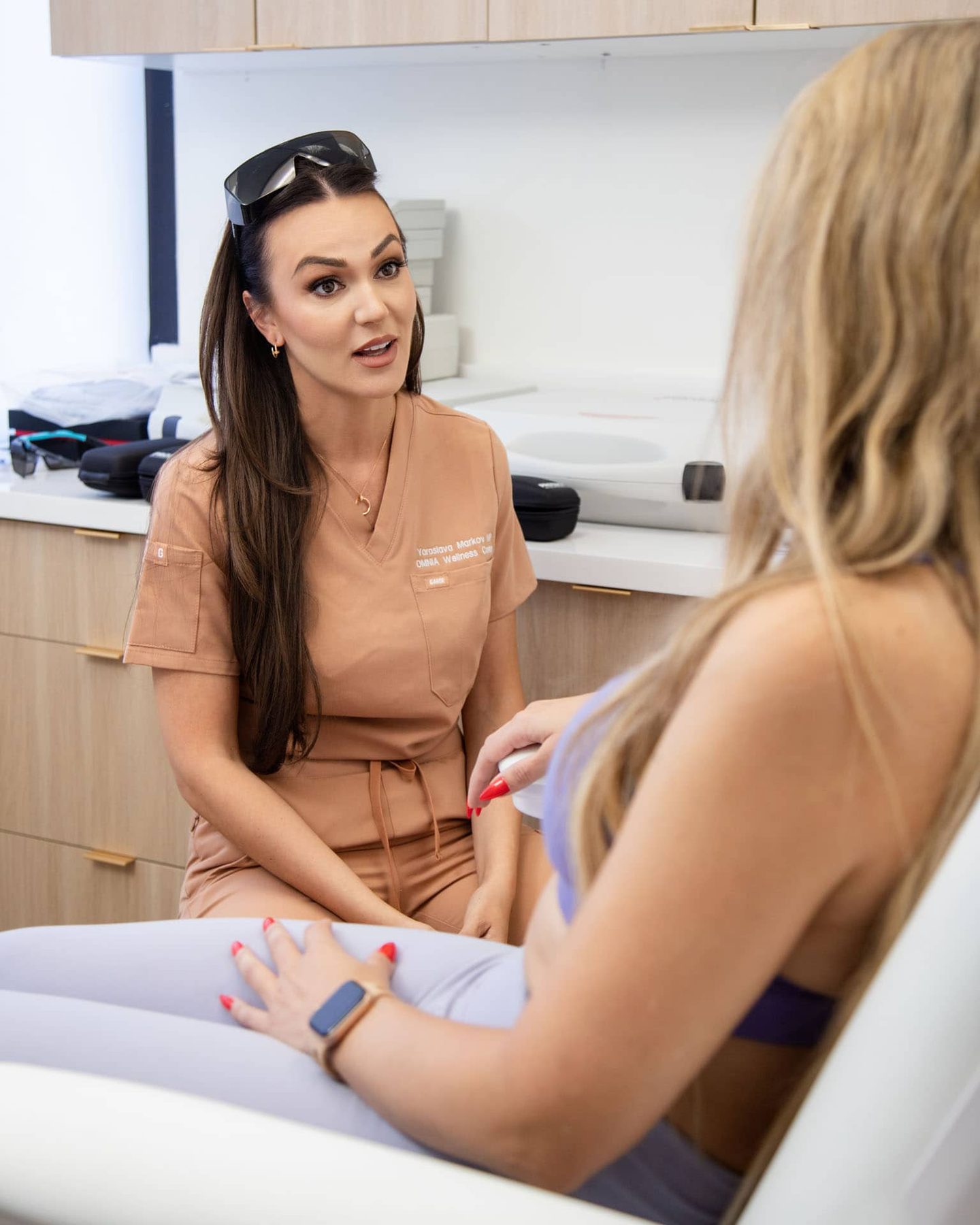
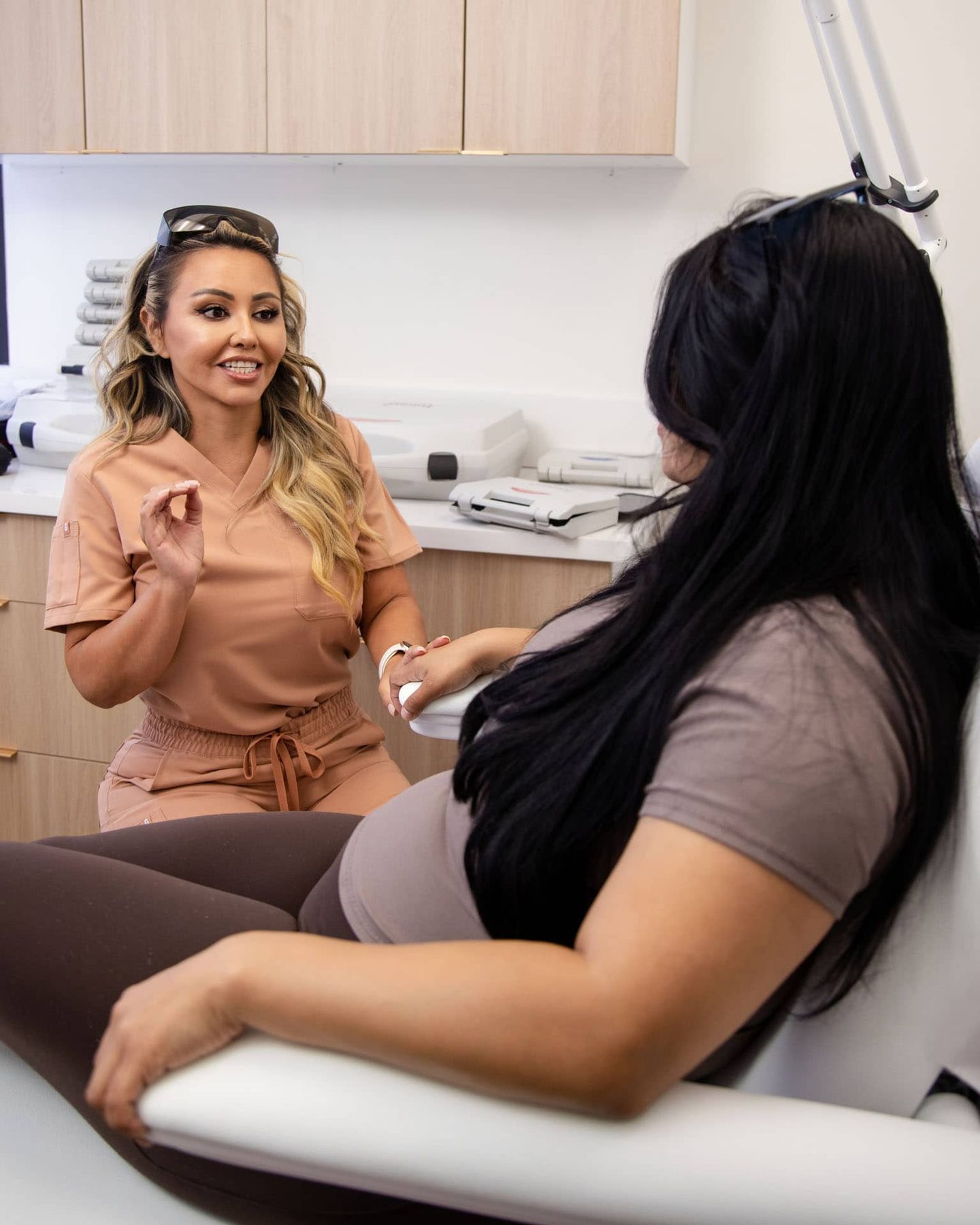
People rarely walk into a laser appointment fully prepared on instinct alone. Even clients who have years of experience with facials, injectables, or peels often find that a Fotona 4D Laser Facial feels different, both in the way it works and in how they need to plan for it. In Encino, where schedules run from studio calls to school pickup to business meetings on Ventura Boulevard, preparation matters for practical reasons as much as cosmetic ones. The better the preparation, the smoother the treatment day tends to go, and the easier it is to protect the investment afterward.
Fotona 4D Laser Facial, often associated with the TimeWalker platform, appeals to clients because it addresses several concerns in one treatment plan. Texture, laxity, fine lines, and overall dullness can be approached through a multi-step laser protocol that works on both superficial and deeper layers. That sounds straightforward in a consultation room, but real preparation is less about glossy brochures and more about timing, skin condition, habits, medications, and expectations.
What I have seen again and again is that clients who do best are not necessarily the ones with the “best skin” at baseline. They are the ones who treat preparation seriously. They ask sharper questions. They disclose more in their health history. They stop doing the little things that quietly sabotage outcomes, like tanning, picking, over-exfoliating, or scheduling a treatment three days before an important event.
Why preparation matters more with Fotona 4D than many people expect
The phrase “laser facial” can mislead people into thinking they are booking a polished-up facial with a little warmth and light redness. Fotona 4D is more sophisticated than that. Depending on how a provider customizes the session, treatment may involve intraoral tightening, deeper thermal stimulation, and more superficial resurfacing elements. That range is part of the appeal, but it also means preparation must account for how reactive the skin is, how much downtime a client can tolerate, and what the skin has been through in the prior few weeks.
Clients in Encino often come in with active routines already in place. Many use retinoids, exfoliating acids, brightening serums, and prescription acne products. Some receive regular waxing, threading, peels, or radiofrequency treatments. None of those things are inherently a problem, but they can affect the skin barrier and influence how the skin responds to laser energy. When someone says, “My skin usually handles everything,” that confidence can become a liability if it leads them to skip the prep instructions.
There is also a social factor. Encino clients frequently want visible improvement without looking “treated.” They are balancing appearance with work, family, and public-facing obligations. Preparation helps manage not just the skin response, but the calendar. A treatment that might be easy for one person to schedule on a quiet week can feel stressful for another if they are heading into a wedding, a filming day, a presentation, or a reunion.
The consultation is where good preparation actually begins
A thorough consultation is not a formality. It is where the groundwork gets laid. An experienced provider should ask about medical history, previous cosmetic procedures, topical products, sun exposure, medications, melasma tendencies, herpes simplex history if treating around the mouth, and any pattern of post-inflammatory hyperpigmentation or prolonged redness.
This is especially important in Los Angeles-area patients because skin tone diversity is real, and response to energy-based devices is not one-size-fits-all. Conservative settings, staged treatment, or a modified protocol may be more appropriate for some patients than a highly aggressive session. Good providers know that “stronger” is not always “better,” particularly if the goal is collagen stimulation with minimal disruption.
Clients sometimes hold back details they assume are irrelevant. A recent beach day, a new prescription from a dermatologist, an at-home peel, a tendency to form dark marks after bug bites, an upcoming trip to Palm Springs, all of that matters. The provider is not being nosy. They are trying to gauge risk, recovery time, and whether the treatment should proceed as planned.
The consultation is also the moment to talk honestly about what you want changed. Some people say they want “lifting” when they really mean they want smoother texture. Others ask for “glow” but are bothered most by crepey lower eyelids or smile lines. Fotona 4D Laser Facial (TimeWalker) Encino, CA consultations tend to go best when patients describe concerns in plain language, not trend language. “My cheeks feel looser than they used to,” is more useful than “I want snatched skin.”
Skin barrier first, always
Fotona 4D Laser Facial (TimeWalker) Encino, CAOne of the most common mistakes before laser treatment is over-preparing the skin. Clients hear they should show up with clean, healthy skin and interpret that as a cue to scrub harder, exfoliate more, or start a dozen brightening products the week before. That is backward.
A calm skin barrier generally responds better than an irritated one. In the days leading up to treatment, the focus is usually on reducing unnecessary irritation. If a patient has been cycling through glycolic acid pads, salicylic acid cleansers, retinol, benzoyl peroxide, and exfoliating masks, I would expect the provider to simplify that routine before the appointment. The exact timeline depends on the product strength and the person’s sensitivity, but the principle is simple: do not arrive inflamed and call it “fresh.”
A healthy barrier also helps recovery feel more predictable. Patients who come in with chapped, flaky, or reactive skin often report more stinging during cleansing afterward and more frustration in the first few days. That does not always mean the treatment result is worse, but it can make the experience feel rougher than it needs to.
Sun exposure is the issue people underestimate most
If there is one prep topic that gets shrugged off too often, it is sun exposure. Not just sunburn, but cumulative sun, incidental tanning, long dog walks, pool days, driving with the left side of the face exposed, and “I was under an umbrella most of the time.” In Southern California, this matters year-round.
Laser treatments and recently sun-exposed skin are not a good combination. Fresh tan can complicate treatment decisions and increase the chance of unwanted pigment changes. Even when there is no obvious burn, a provider may postpone if the skin looks more activated than usual. Patients are sometimes surprised by this because they feel fine. The skin, however, may not be as quiet as it looks in indoor lighting.
This is where practical planning helps. If someone knows they have a beach weekend, hiking trip, tennis tournament, or outdoor graduation coming up, it often makes sense to schedule the laser treatment after the event rather than before it. Rescheduling around real life is smarter than forcing the skin through unnecessary stress.
The timeline most experienced clients follow
Preparation usually becomes easier when patients think in stages rather than a vague “be careful before treatment.” The exact timing should always come from the treating office, but the rhythm is fairly consistent in real practice.
About two weeks before treatment, people begin getting more disciplined about sun protection. This does not mean one rushed sunscreen application at noon. It means broad-spectrum SPF, hats when possible, and making fewer casual choices that add up to redness or tanning. At that same stage, many providers want to know if there have been any recent skin procedures, breakouts, or changes in medication.
Roughly a week out, the skin routine often gets simplified. Strong exfoliants, irritating actives, and aggressive at-home devices are commonly paused based on professional guidance. This is also when people should stop experimenting. The week before laser is not the time to start a new peel pad, trendy serum, or facial package because a friend recommended it.
The day before, hydration and rest matter more than people like to admit. Skin that is depleted, irritated, or poorly cared for does not magically cooperate because the appointment is on the calendar. Patients who are run down often feel the treatment more intensely and may have a more dramatic inflammatory response.
On treatment day, the best approach is clean skin, no makeup unless the office tells you otherwise, and enough time in your schedule that you do not arrive breathless from traffic. Encino traffic alone is reason to leave earlier than you think you need to.
Medications, supplements, and cold sore history need a real conversation
This part often gets skimmed, but it should not. Certain medications and supplements can affect how the skin responds or how bruised, dry, or reactive a patient may become. Prescription retinoids, photosensitizing medications, anticoagulants, acne treatments, and even some over-the-counter supplements deserve mention. The answer is not to stop medications on your own. The answer is to disclose them and let the treating clinician decide what matters.
Cold sore history is another detail many patients minimize. For treatments around the mouth, even a remote history of herpes simplex can be relevant. Good offices ask about this routinely because laser treatment can trigger a flare in susceptible individuals. If preventive medication is advised, it is better to handle that before treatment day than after symptoms begin.
The same goes for melasma and post-inflammatory hyperpigmentation. Patients with a history of pigment issues should not assume that because they have tolerated one treatment in the past, every laser treatment carries the same risk profile. It is worth discussing, especially if the skin has been under stress, recently tanned, or treated elsewhere.
What clients in Encino usually do in the week leading up to treatment
- They scale back exfoliants and active ingredients based on office instructions.
- They become strict about sunscreen and avoid intentional tanning.
- They skip waxing, strong peels, and any aggressive facial treatments.
- They confirm whether any prescriptions or antiviral medications are needed.
- They move major social events a few days later if they want a margin for recovery.
That checklist sounds simple, but the small details are where people slip. Someone may do four of those five things, then book a brow wax two days before treatment or spend Saturday at an outdoor brunch with no hat. One misstep does not always cause a problem, but enough little missteps can turn a straightforward treatment into a delayed or more reactive one.
The morning of the appointment tends to set the tone
Clients usually do best when they keep the treatment day uneventful. Cleanse gently. Avoid arriving with layered makeup if the office has instructed otherwise. Bring a hat or sunglasses for the drive home if you want extra comfort. Eat something reasonable beforehand unless you were told not to, and avoid turning up dehydrated after a coffee-only morning.
People with low pain tolerance often assume they need to brace for something overwhelming. In practice, comfort varies depending on the exact settings, the patient, and the treatment areas. Some parts of a Fotona 4D session feel easier than others. A calm, prepared patient usually tolerates the experience better than someone who arrived anxious, overheated, late, and under-slept.
I have seen this in countless cosmetic settings. The patient who plans for the appointment like it matters usually reports the day as manageable. The one who squeezes it between a workout, a lunch meeting, and a school pickup often feels flustered before the laser even starts.
What recovery planning looks like in real life
One of the most useful ways to prepare is to think about the first forty-eight to seventy-two hours after treatment before you ever sit in the chair. Not because recovery is necessarily dramatic, but because daily life is easier when the basics are handled.
For some clients, the skin may look pink, feel warm, or seem a bit rough or dry afterward. Others experience only mild visible change and resume normal activities quickly. The range depends on the protocol, the skin, and the provider’s settings. The mistake is assuming your recovery will look exactly like someone else’s social media post.
A practical recovery plan means you already have a gentle cleanser, a bland moisturizer approved by your provider, and reliable sunscreen at home. It means you know whether you should avoid strenuous exercise, heat exposure, or active skincare for a period of time. It also means you are not counting on a full-face glam application twelve hours later unless the office says that is realistic.
Clients in Encino often ask whether they can go to dinner the same night. The answer is often yes, depending on the treatment intensity and your comfort with some temporary redness. The better question is whether you want to. There is a difference between being technically able to show up and wanting to be photographed under restaurant lighting. That is where expectation-setting matters.
Expectations can make or break satisfaction
A lot of dissatisfaction in aesthetic medicine has less to do with poor treatment and more to do with mismatched expectations. Fotona 4D is often chosen because it can target multiple signs of aging with a non-surgical approach. That does not mean it behaves like surgery, nor does it usually produce every benefit in a single dramatic jump.
Collagen-based treatments tend to reward patience. Some patients notice early brightness or textural improvement fairly quickly, while firmness and refinement may develop more gradually. That is normal. The provider should explain what changes might show up first, what may take longer, and whether a series is recommended.
This matters because many first-time clients judge their result too early. On day three they may focus on dryness, or on day seven they may search for a complete lifting result that was never realistic from one session. Better preparation includes mental preparation: understanding what success actually looks like for your starting point.
Questions worth asking before you commit
- How much visible downtime should I realistically expect with the exact settings you plan to use?
- Which products do you want me to stop before treatment, and when should I restart them?
- If I am prone to pigment issues or cold sores, what preventive steps do you recommend?
- When will I likely start noticing changes, and would you suggest a series?
- What should make me call the office after treatment, rather than simply wait it out?
Those questions are not “high maintenance.” They are what thoughtful patients ask. A strong practice should be able to answer them clearly, without vague promises or pressure.
A note on social schedules, work, and photos
Many Encino patients plan aesthetic treatments around events. That is reasonable, but the timing should be generous. If you have engagement photos, a reunion, a filmed appearance, or an important work presentation, build in more recovery margin than you think you need. Even if your skin usually recovers quickly, cosmetic planning goes better when it allows for normal human variability.
I often tell people that the ideal time for a first Fotona 4D session is not right before the event that matters most. It is weeks before, when there is room to observe your response and fine-tune the plan. Once you know how your Fotona 4D Laser Facial (TimeWalker) Encino, CA skin behaves, scheduling gets much easier.
This is particularly true for first-timers seeking Fotona 4D Laser Facial (TimeWalker) Encino, CA treatments because they may have heard very broad promises from friends or online content. Your friend may have had almost no redness. Another person may have looked flushed for two days. Both can be true. Your own skin does not care what happened on someone else’s TikTok.
The clients who tend to get the smoothest experience
The easiest laser appointments are rarely accidental. They usually belong to patients who respect the process. They keep their provider informed. They avoid unnecessary pre-treatment adventures. They are not trying to squeeze a meaningful aesthetic procedure into a window that only works on paper.
They also understand that healthy skin behavior is not just about the machine. It is about the condition the skin is in when the laser meets it. A laser can be excellent and still be working against poor prep. Conversely, thoughtful preparation can improve the overall experience in ways patients absolutely feel, from comfort to confidence to recovery.
That is the practical reality behind good outcomes. Not glamour, not hype, not perfect skin from day one. Just sound timing, honest communication, and enough discipline to give the treatment a fair chance to do what it is meant to do.
For anyone considering a Fotona 4D session in Encino, preparation is not the boring part before the real treatment. It is part of the treatment. The clients who understand that tend to walk in calmer, recover more predictably, and feel better about both the process and the result.
OMNIA Wellness Center
16430 Ventura Blvd Ste 207, Encino, CA 91436
Phone: +1 818-386-8511
FAQ About Fotona 4D Laser Facial (TimeWalker) Encino, CA
What is a Fotona laser good for?
Fotona lasers support several different aesthetic protocols. The Fotona 4D facial uses two wavelengths and four treatment modes to address concerns such as fine lines, skin texture, and mild laxity. OMNIA Wellness Center offers the TimeWalker facial with an individual consultation. Suitability and likely improvement depend on the person's skin and goals; results are not guaranteed, and this treatment does not reproduce a surgical facelift.
How much does a Fotona laser treatment cost?
The cost depends on the treatment protocol, areas treated, number of sessions, and provider's assessment. Ask OMNIA Wellness Center for a current written quote that explains what is included, whether follow-up is included, and any proposed package terms. An individualized estimate is more useful than assuming that one advertised price applies to every facial treatment.
How much downtime is there after a Fotona laser procedure?
Recovery varies with the specific protocol and intensity. Fotona describes its 4D facial as having little to no downtime, but temporary redness or sensitivity can occur, and a stronger surface treatment can require more recovery. Ask the treating clinician what to expect from the planned settings, how to care for the skin afterward, and when to contact the clinic with concerns.