20 November 2026
Fotona 4D Laser Facial (TimeWalker) for Long-Term Skin Improvement
Presented by @chancevmkn134
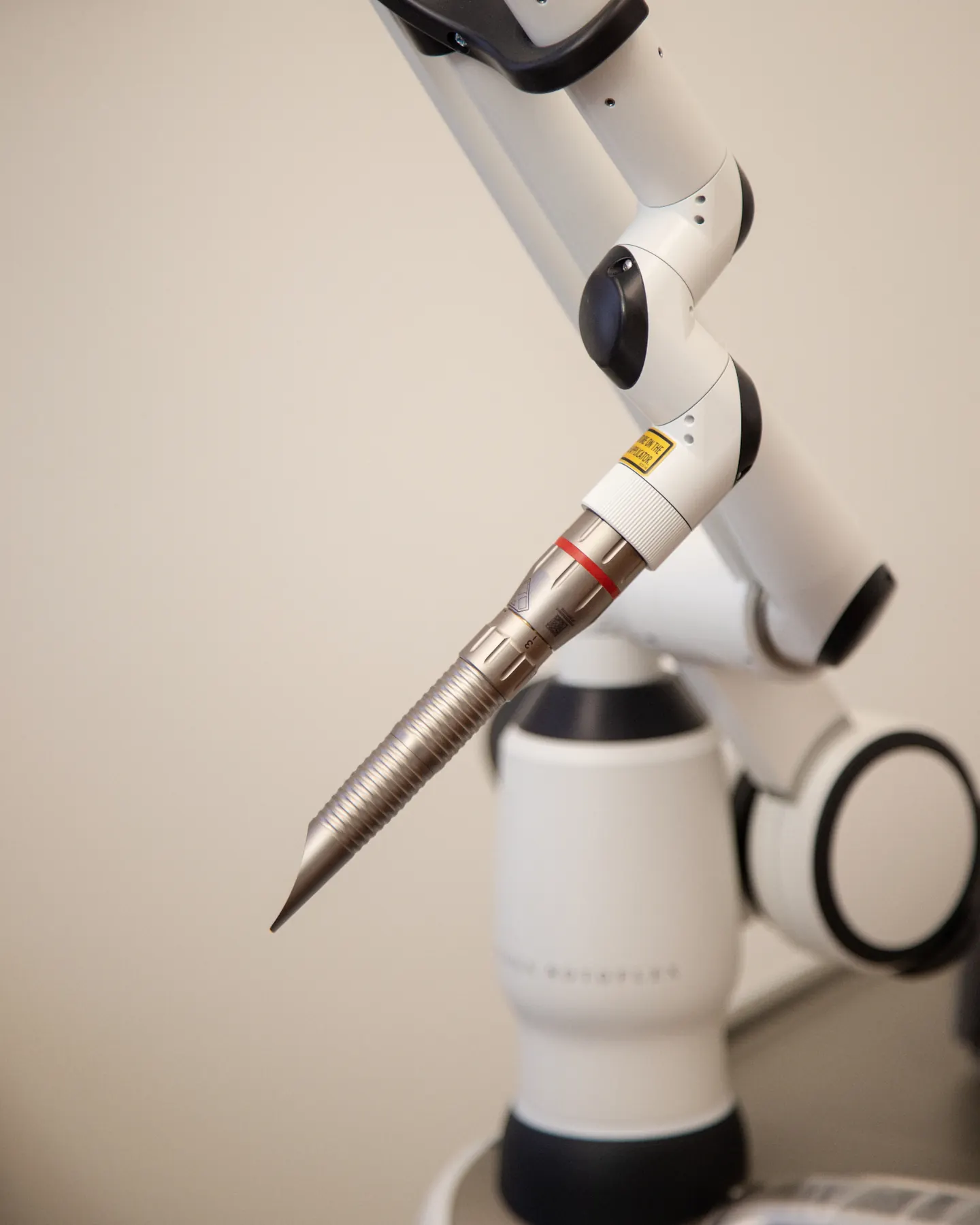
The appeal of non-surgical skin rejuvenation has changed over the past few years. Patients are no longer asking only for a brighter complexion before an event or a quick tightening treatment before photographs. More often, they want a plan that holds up over time. They want texture that keeps improving, not just temporary glow. They want support for collagen, softening around the mouth, better tone, and some visible lift, but without the interruption and social downtime associated with deeper resurfacing or surgery.
That is where the Fotona 4D Laser Facial (TimeWalker) has carved out a strong position. It is not a single-pass facial in the way many people imagine a “laser facial.” It is a layered protocol designed to address tissue at different depths, including inside the mouth, within deeper dermal structures, and on the skin surface. When used thoughtfully, it can become less about a one-off cosmetic refresh and more about gradual structural improvement.
What makes it especially interesting in practice is that it occupies a middle ground many patients have been looking for. It is more substantial than a standard hydrating facial or light lunchtime treatment, but often gentler and more socially manageable than aggressive ablative resurfacing. That balance is exactly why it is often chosen by people who want visible change without committing to a week or two of recovery.
What the treatment actually is
The Fotona 4D Laser Facial (TimeWalker) is a multi-step laser treatment that uses two wavelengths commonly associated with Fotona systems, Nd:YAG and Er:YAG, to target several layers of tissue in one session. The “4D” name refers to four treatment modes, each intended to contribute a different part of the overall result.
That matters because facial aging is not one problem. It is a mix of skin laxity, collagen decline, uneven texture, creasing, loss of firmness, and changes around dynamic areas such as the mouth and jawline. A treatment that only polishes the surface may brighten the skin but do little for support. A treatment that focuses only on heating deeper tissue may help with firmness but leave roughness and dullness untouched. The strength of this protocol lies in combining depth and surface work in a single appointment.
The TimeWalker branding is often associated with patient comfort, treatment precision, and a more refined experience overall, but the real clinical question is simpler. Does the platform allow the practitioner to deliver energy in a way that supports remodeling over time while keeping downtime within a manageable range for the right candidate? In many cases, yes, provided the treatment settings, spacing, and patient selection are handled well.
Why the “inside-out” approach gets attention
One of the most distinctive features of this treatment is the intraoral step, often called SmoothLiftin. The laser energy is delivered inside the mouth to heat tissue from the mucosal side, especially in the cheek and perioral areas. Patients usually find this detail surprising at first. Once it is explained, it often becomes the reason they choose the treatment.
The logic is sound. Some of the earliest and most stubborn signs of aging sit around the mouth and lower face, where skin can start to fold, flatten, and lose support. Treating from the inside allows energy to reach tissue in a way that complements what is done from the outside. You are not relying only on surface tightening. You are trying to stimulate remodeling through the full thickness of the tissue.
In practice, this can be useful for smokers’ lines, soft creping around the lips, and mild laxity through the lower cheeks. It is not a replacement for volume restoration when there is significant deflation, and it will not mimic the result of a surgical lift when tissue descent is advanced. Still, for the patient in that early to moderate aging category, especially someone not ready for injectables or surgery, it can be a smart move.
The four layers and why each one matters
The four stages work best when they are understood as complementary rather than interchangeable. The first stage typically focuses on the intraoral tightening component. The second often uses deeper bulk heating to support tissue contraction and collagen stimulation. The third targets more superficial imperfections such as texture and pigment irregularity, depending on settings and clinical goals. The fourth creates a light polishing effect to enhance smoothness and radiance.
In simpler terms, the treatment tries to cover four needs at once: firmness, support, refinement, and finish.
That layered design is one reason outcomes tend to look natural. Instead of chasing a single dramatic change, the protocol builds a collection of smaller improvements. Skin can look denser. Fine lines may soften. Pores may appear less obvious. The lower face may feel a bit more held together. Those changes are rarely theatrical after one session, but they often photograph well over time because they improve the quality of the skin rather than just masking one feature.
This is an important distinction. Good skin treatments tend to make people look better without making them look “done.” The compliments patients report are usually along the lines of looking rested, fresher, or healthier, not unrecognizable.
What kind of improvement is realistic
A sensible expectation for the Fotona 4D Laser Facial (TimeWalker) is cumulative improvement. Some patients notice brightness and smoothness within days, once the initial post-treatment redness settles. Tighter-feeling skin may show up within a few weeks. The more meaningful changes, especially those linked to collagen remodeling, usually unfold over two to three months and continue with a series.
That timeline matters because patients often underestimate how collagen-based treatments work. If the only benchmark is how skin looks forty-eight hours later, they may miss the real value. The long-term gains are slower and quieter. They come from remodeling, not from swelling or temporary skin plumping.
For most people with mild to moderate laxity, early perioral lines, enlarged pores, superficial textural roughness, or a general sense that the skin has become less crisp, the treatment can make solid sense. It can also fit patients who are not ideal candidates for more aggressive resurfacing because they cannot accommodate longer downtime.
The trade-off is equally important. If someone has deep etched lines, significant jowling, heavy lower-face descent, or extensive sun damage requiring a stronger resurfacing approach, this treatment may help but probably will not go far enough on its own. In those cases, the best result often comes from combining modalities over time rather than expecting one device to carry the entire burden.
Who tends to do well with it
The strongest candidates are usually patients in the preventive or early corrective stage. They are often in their thirties to fifties, though age alone is not the deciding factor. Skin quality, degree of laxity, lifestyle, and expectations matter more.
A patient who says, “My skin just doesn’t bounce back the way it used to, and the area around my mouth is starting to bother me,” is often describing exactly the territory where this treatment can help. Another good candidate is someone who wants laser-based rejuvenation but feels nervous about prolonged redness, peeling, or taking visible time off work.
There is also a practical group that tends to appreciate it: patients who prefer device-based treatments over fillers, or want to reduce how much filler they rely on. The Fotona 4D Laser Facial (TimeWalker) will not replace filler when volume loss is pronounced, but it can improve the skin envelope enough that less product may be needed to maintain a refreshed appearance.
Caution is warranted for patients with certain active skin conditions, infections, impaired wound healing, or recent sun exposure that has left the skin irritated or tanned. This is one reason experienced consultation matters. Good outcomes are not only about the machine. They depend on whether the patient was a suitable candidate on that particular day.
What a session feels like
The sensation varies by step. The intraoral portion usually feels unusual more than painful, a warm gliding pressure inside the cheeks and around the mouth. The deeper tightening stage often creates a feeling of heat in pulses. Surface passes can feel pricklier, especially in more delicate or thin-skinned areas.
Most patients tolerate the treatment well, especially when settings are tailored properly and comfort measures are used. Depending on the exact approach, a topical anesthetic may or may not be necessary. Some clinicians use cooling, breaks between passes, or staged communication to make the session easier. That last point is underrated. Patients who know what they are about to feel almost always do better than patients who are left guessing.
A full session can take roughly forty-five minutes to a little over an hour, depending on the extent of the treatment and whether the neck is included. Immediately afterward, skin may appear flushed and feel warm, similar to a brisk workout or moderate sun exposure. Some swelling is possible, particularly around the mouth and cheeks.
Downtime, aftercare, and the social reality
This is where clear counseling helps. While the treatment is often described as low downtime, that phrase means different things to different people. For one patient, “low downtime” means they can work from home the next day and wear tinted sunscreen. For another, it means they expect to attend a dinner that same evening looking camera-ready. Those are not the same standard.
Most people experience temporary redness for one to three days. Mild swelling, a rough sandpapery feel, or subtle bronzing can occur depending on settings and skin response. Makeup is often possible relatively soon, but post-laser skincare should be chosen carefully. Heavy acids, retinoids, exfoliating scrubs, and fragranced actives are usually a bad idea right after treatment.
The practical aftercare priorities are straightforward:
- Protect the skin from sun exposure with disciplined use of broad-spectrum sunscreen.
- Keep the skincare routine bland and supportive for several days.
- Avoid heat-heavy activities such as saunas and intense workouts for a short period if advised.
- Leave any roughness or flaking alone rather than scrubbing it off.
Those steps sound simple, but they have a real impact on recovery quality. Some of the most preventable post-treatment problems come from patients resuming strong actives too early because they are eager to “boost” the result.
How many treatments are usually needed
One session can produce visible improvement, especially in luminosity and texture, but long-term skin change usually responds better to a series. In many clinics, an initial course of three treatments spaced around four weeks apart is common, followed by maintenance sessions every few months or a few times per year depending on age, goals, and skin behavior.
This is not a hard rule. A younger patient using it preventively may do well with fewer sessions. Someone with more established skin aging or textural damage may need a more consistent schedule. The maintenance conversation is worth having early, because this is not a one-and-done strategy if the goal is ongoing collagen support.
That ongoing element is actually part of the appeal. Skin aging is continuous. Treatments that can be integrated into a realistic long-term plan often outperform dramatic one-off interventions that patients never repeat because recovery was too disruptive.
How it compares with other options
Patients often ask whether this is “better” than microneedling RF, IPL, fractional resurfacing, or ultrasound-based tightening. The honest answer is that each tool solves a different problem, and overlap does not mean equivalence.
Microneedling RF can be excellent for texture, acne scarring, and some tightening. IPL is useful for redness and superficial pigmentation but does little for structural laxity. Deeper ablative resurfacing can create more dramatic textural correction, though at the cost of greater downtime and more recovery management. Ultrasound and radiofrequency tightening treatments may target firmness but usually do less for the skin surface.
The Fotona 4D Laser Facial (TimeWalker) stands out because it can address multiple concerns in one session without becoming as recovery-heavy as more aggressive resurfacing. That does not mean it is the strongest option in every category. It means it is one of the more balanced options for the patient who wants broad improvement rather than maximal correction of a single issue.
If I had to describe its role in one sentence, I would say this: it is a strong choice for patients seeking layered rejuvenation with moderate downtime and cumulative results.
Where judgment matters most
Device treatments are often marketed as if the machine itself guarantees success. In reality, settings, sequencing, tissue response, and restraint matter enormously. Over-treating can create unnecessary inflammation and longer recovery without a better outcome. Under-treating can leave the patient paying for complexity without seeing enough change to justify it.
The best clinicians tend to assess more than the skin surface. They look at movement, facial proportions, dehydration, volume loss, sun habits, and whether the patient is likely to follow aftercare. They also know when not to oversell. If someone really needs volume restoration in the midface, a skin-tightening treatment alone will not fully answer the complaint. If someone’s main issue is melasma, caution is needed with heat-based strategies because worsening pigment is a real concern in certain patients.
This is where lived clinical experience shows. Not every concern should be pushed into a single treatment pathway. The most reliable long-term skin plans are usually blended and staged.
Pairing it with a broader skin strategy
For patients interested in long-term improvement, the treatment works best when it is part of a bigger framework. Daily photoprotection, sensible home care, periodic maintenance, and realistic sequencing with other procedures all shape the result. A laser session can stimulate change, but it cannot outwork chronic UV exposure, smoking, severe sleep deprivation, or a chaotic skincare routine full of irritation.
A few combinations are particularly sensible. Neuromodulators can reduce dynamic creasing in areas where muscle movement keeps lines active. Conservative filler can restore support where true volume loss is present. Medical-grade skincare can maintain brightness and improve barrier function. For some patients, periodic peels or light-based vascular treatments help address tone while the laser protocol handles firmness and texture.
That kind of combination approach is often what separates a decent outcome from a strong one. Not because more treatments are always better, but because each treatment can then do the job it is actually suited for.
Costs, value, and the question patients really ask
Patients do not usually ask only, “How much does it cost?” What they really want to know is whether it is worth the investment compared with doing something simpler or waiting until they need something more aggressive.
Pricing varies widely by region, clinic, practitioner expertise, and whether the neck or additional customization is included. Rather than chase a universal number, it makes more sense to think in terms of value per treatment goal. If a patient wants a broad, non-surgical improvement in skin quality with manageable downtime, this treatment can offer strong value because it addresses several concerns in one appointment. If the patient wants major lifting or dramatic resurfacing, then value may be lower because expectations and mechanism are mismatched.
The best use of budget usually comes from choosing the right indication, not the flashiest brand name.
The long view
The reason the Fotona 4D Laser Facial (TimeWalker) keeps attracting interest is simple. It respects how facial aging actually happens. Skin does not age in one layer, and it does not decline in one dramatic moment. It changes gradually, across structure, texture, elasticity, and tone. A treatment that responds to that complexity with layered intervention has a practical advantage.
Its results are rarely instant in the way social media sometimes implies. They are better than that. They can be steady, believable, and accumulative. For many patients, that is the sweet Fotona 4D Laser Facial (TimeWalker) spot. Enough correction to matter, not so much disruption that the treatment becomes hard to repeat.
When used for the right patient, with appropriate settings and honest expectations, it can become a valuable part of long-term skin maintenance. Not a miracle, not a substitute for every other modality, and not a stand-in for surgery when surgery is truly indicated. But as a method for improving skin quality, supporting collagen, and softening early facial aging over time, it earns its place.
OMNIA Wellness Center
Address: 16430 Ventura Blvd Ste 207, Encino, CA 91436
Phone: (818) 386-8511
FAQ About Fotona 4D Laser Facial (TimeWalker)
What are the benefits of Fotona laser treatment?
OMNIA offers this treatment for concerns such as uneven texture, dull tone, and fine lines. Results and the number of sessions vary, so discuss your goals with a provider.
Is Fotona laser safe?
A qualified provider should review your skin, medical history, medications, and recent sun exposure to determine whether the treatment is appropriate. Ask about possible irritation, pigment changes, and aftercare before booking.
How much does a Fotona 4D facelift cost?
Price depends on the treatment plan and number of visits. Ask OMNIA for an itemized estimate during your consultation.