24 September 2026
Everything You Need to Know About Fotona Laser Treatments Encino, CA
Presented by @chancevmkn134

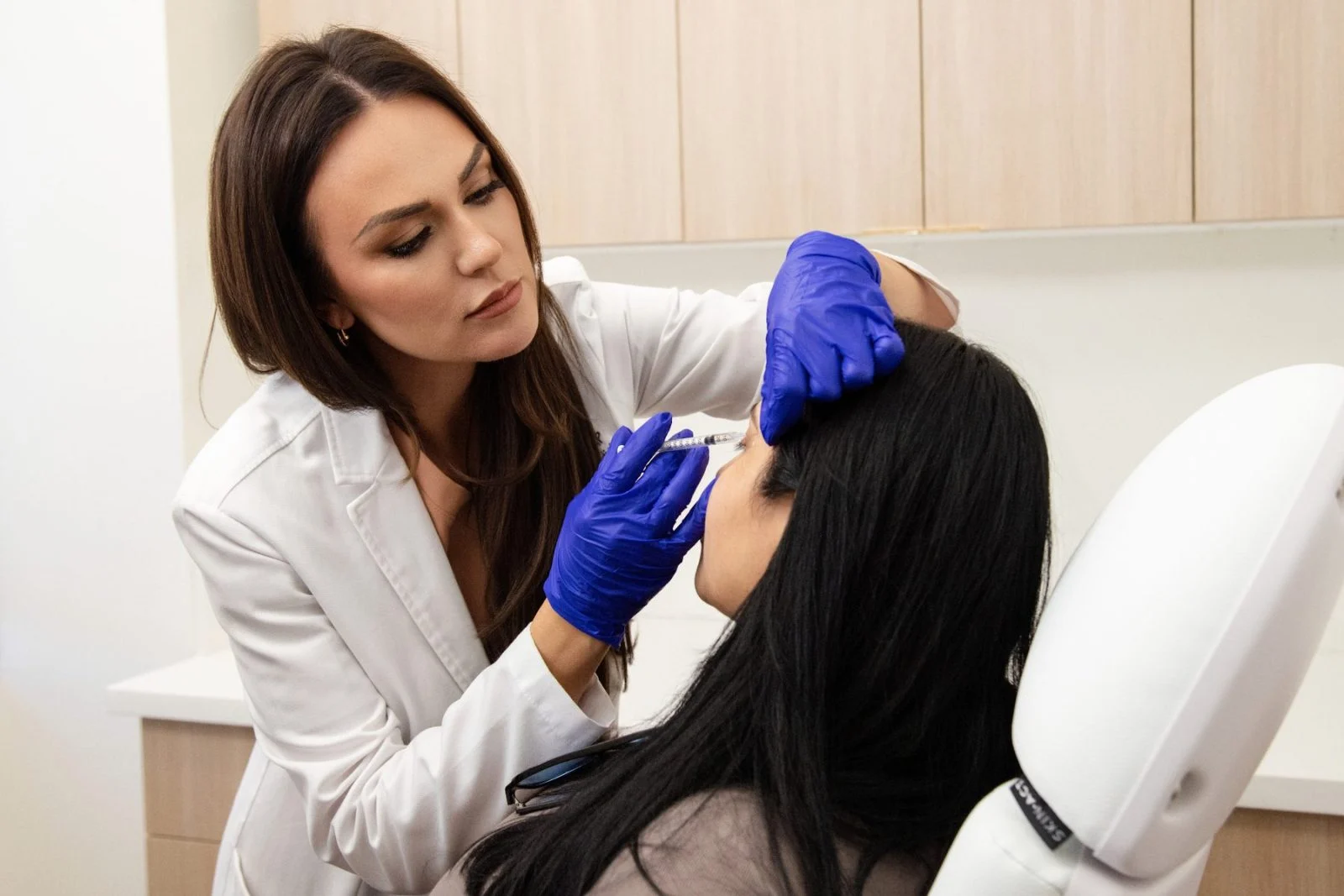
If you have spent any time looking into non-surgical skin rejuvenation in the San Fernando Valley, you have probably come across Fotona more than once. It tends to show up in conversations about tightening loose skin, softening acne scars, improving texture, refreshing tired complexions, and even addressing concerns that do not fit neatly under the standard “facial” category. That broad reputation is not accidental. Fotona is not a single one-note treatment. It is a laser platform with several treatment modes, which is why people researching Fotona Laser Treatments Encino, CA often find a confusing mix of before-and-after photos, treatment names, and promises that seem too broad to be believable.
The reality is more nuanced, and a lot more useful.
Fotona treatments can be excellent in the right hands and for the right patient. They can also be oversold if someone presents them as a magic fix for every concern. The value is in understanding what the technology actually does, where it performs especially well, what recovery looks like, and how an Encino patient might think about timing, budget, and climate-related skincare habits before booking.
Why Fotona gets so much attention
Fotona laser systems are known for versatility. Depending on the handpiece, settings, and treatment plan, a provider can target surface texture, pigment-related irregularities, vascular concerns, collagen stimulation, acne scarring, skin laxity, and some intimate wellness concerns. That range matters because many patients do not arrive with one isolated complaint. They come in saying things like, “My skin looks dull, my jawline feels softer than it used to, and the old acne marks are still there.” A flexible platform allows a clinician to build a plan around the person in front of them rather than pushing every patient into the same one-size-fits-all service.
Encino is an interesting market for this kind of treatment. Patients here often want visible improvement, but not necessarily the kind of downtime associated with aggressive surgery or old-school fully ablative resurfacing. Many are balancing work, social commitments, school pickups, exercise, and outdoor time. They want results that feel worth paying for, but they also need realistic recovery windows. Fotona sits in that middle ground where meaningful change is possible without every treatment turning into a week behind closed doors.
That said, the specific protocol matters more than the brand name on the machine. Saying you had “Fotona” is a bit like saying you had “a peel.” It does not tell the whole story. Was it a gentle collagen-stimulating session with almost no downtime? A resurfacing treatment aimed at textural damage? A multi-step tightening protocol? Those differences shape both results and recovery.
What Fotona laser treatments actually are
Fotona systems commonly use two laser wavelengths, Er:YAG and Nd:YAG, each with different tissue interactions. In practical terms, one Fotona Laser Treatments Encino, CA can be used more effectively for precise resurfacing and removal of superficial skin layers, while the other can penetrate deeper for heating and collagen remodeling. A skilled provider may use one wavelength or combine both in a single session, depending on the treatment goals.
This is one reason the platform is often associated with branded protocols such as SmoothEye, LipLase, NightLase, TightSculpting, or the well-known four-dimensional facial treatment often called 4D. Those names can make the menu sound more complicated than it is. Underneath the branding, the idea is straightforward: controlled laser energy is delivered to specific layers of tissue to stimulate repair, tighten skin, improve texture, or remodel problem areas.
For a patient, the more important question is not which catchy name is being used. The more important question is what concern is being treated, how deep the energy is going, and what kind of result is realistic after one session versus a series.
The concerns Fotona may help improve
A lot of the enthusiasm around Fotona Laser Treatments Encino, CA comes from the range of issues it can address without surgery. In the right candidate, treatment may help with:
- Fine lines and early skin laxity
- Acne scars and uneven texture
- Enlarged pores and rough skin surface
- Mild pigmentation irregularities, depending on skin type and settings
- Under-eye crepiness, lip texture, or jawline softness
Even that short list needs context. “May help” does not mean “completely erases.” Fine lines often soften rather than disappear. Acne scarring can improve significantly, but deep ice-pick scars and heavily tethered scars usually need a broader plan, sometimes including subcision, microneedling, fillers, or other laser approaches. Loose skin can tighten modestly to moderately, especially in patients with mild to early laxity, but a laser cannot replace a surgical lift when there is substantial sagging.
Those distinctions matter because dissatisfaction often comes from mismatch, not bad technology. If someone in their early forties with mild lower-face laxity wants a fresher, tighter look without surgery, Fotona can be a strong option. If someone has pronounced jowling and wants a dramatic surgical-level reversal, even an excellent laser treatment will feel underwhelming.
What a session feels like
One of the biggest unknowns for first-time patients is sensation. The answer depends on the exact protocol. Some Fotona sessions feel warm and prickly, with quick flashes and a tolerable heat buildup. Others, particularly more intensive resurfacing settings, can feel sharper and more uncomfortable. Topical numbing may be used for some treatments, though not all sessions require it.
Patients often describe the deeper collagen-stimulating passes as a hot snapping sensation that is manageable but unmistakably a treatment, not a spa facial. The more superficial resurfacing passes can feel like stronger pinpricks or a heated scratchiness across the skin. Around the mouth and eyes, sensation tends to be stronger simply because the tissue is thinner and more sensitive.
After treatment, many people are pink to red and feel heat in the skin for a few hours, sometimes longer. If the treatment was gentle, the face may look a little flushed, almost like a workout glow that overstayed its welcome. If the settings were more aggressive, redness, swelling, and a bronzed rough texture can persist for several days. There can be a sandpapery feel while the skin sheds and renews.
In clinic, I have seen the best outcomes in patients who were mentally prepared for the middle phase, the stage where they do not look “done” yet, but also do not look camera-ready. That phase is temporary, but it matters. If someone expects immediate polished skin after every laser session, they are setting themselves up for frustration.
How many treatments most people need
This is where honest counseling matters. While some patients see an improvement after one session, especially with brightness and skin tone, most concerns respond best to a series. Three treatments is common for many protocols, sometimes spaced several weeks apart. Acne scars or deeper textural issues may require more. Maintenance sessions may also be recommended, particularly for collagen support and skin quality over time.
Age, baseline skin health, sun exposure, smoking history, and skincare consistency all affect response. A patient who uses sunscreen daily, does not smoke, and starts with mild textural issues often responds faster than someone with years of accumulated sun damage and inconsistent home care.
Providers who promise dramatic, permanent correction after one treatment are usually selling hope, not precision. On the other hand, a clinic that explains improvement as gradual and cumulative is usually taking the process more seriously.
Who tends to be a good candidate
Good candidates generally have a clear, specific goal and realistic expectations. They are healthy enough to heal well, willing to follow aftercare, and understand that lasers improve tissue quality over time rather than producing overnight transformation.
Mild to moderate photoaging responds well. Early laxity can respond well. Acne-scar patients often benefit, although the treatment plan may need to be more comprehensive than one laser alone. Patients who want non-surgical rejuvenation with less downtime than older fully ablative procedures are often especially interested in Fotona.
Skin tone deserves special attention. Not every laser setting is appropriate for every skin type. Patients with more melanin-rich skin require careful selection of settings and, in some cases, a different treatment strategy to reduce the risk of post-inflammatory hyperpigmentation. This is not a reason to automatically avoid laser treatment. It is a reason to choose a provider who regularly treats a broad range of skin types and can explain why they are selecting a particular approach.
When Fotona may not be the right choice
There are cases where a different treatment may be smarter. Active infections, certain inflammatory skin conditions, recent isotretinoin use depending on the case and clinician judgment, a history of poor wound healing, or strong tendencies toward pigment changes can all affect candidacy. Patients with severe laxity may get more value from surgery. Patients bothered mostly by volume loss under the eyes or in the cheeks may need filler or biostimulators more than laser energy.
This is one of the most common mistakes in aesthetic treatment planning. A person notices that their face looks older and assumes that the problem is “bad skin.” Sometimes the real issue is descent, hollowing, or facial fat loss. Laser can improve the skin draped over that structure, but it cannot rebuild every missing foundation.
A thoughtful consultation should sort out what is actually causing the visual problem. If the provider reaches for the laser before identifying the root issue, the result may be expensive but incomplete.
Recovery in real life, not brochure language
Downtime is one of those terms that sounds clear until you try to live through it. What matters is not whether a clinic says “minimal downtime.” What matters is whether you can go to work, attend a dinner, do a school drop-off, or sit in daylight comfortably the next day.
For lighter Fotona treatments, redness may settle within a day or two. Makeup may be possible relatively quickly, depending on skin sensitivity and provider instructions. For more intensive resurfacing, you may be dealing with visible redness, swelling, dry flaking, and a rough surface for several days, occasionally longer. The skin can feel tight and look temporarily worse before it looks better.
People in Encino should think practically about sun exposure. Even if you are not lounging poolside, the local lifestyle often includes incidental sun, walking to the car, coffee runs, patio lunches, and weekend outdoor time. After laser treatment, that everyday sun matters. Healing skin is more vulnerable, and diligent sun protection is not optional if you want a smooth recovery and a stable result.
Here is the preparation and aftercare framework I most often see make a real difference:
- Pause irritating products like retinoids, exfoliating acids, and harsh scrubs if your provider instructs you to do so
- Wear broad-spectrum sunscreen consistently before and after treatment
- Keep the skin moisturized and do not pick at flaking or roughened areas
- Avoid strenuous heat exposure, including saunas and very intense workouts, right after treatment if advised
- Follow the clinic’s timeline for restarting active skincare rather than guessing
That simple discipline often separates the patients who heal beautifully from the ones who create avoidable irritation.
What results usually look like
Good Fotona results rarely scream “I had laser yesterday.” The change is usually read as healthier, tighter, smoother, clearer skin. Friends may comment that you look rested or polished without pinpointing the reason. That subtlety is often a selling point.
For texture, you may notice the skin feels smoother before it looks dramatically different in photos. For tightening, the change can be gradual over several weeks as collagen remodeling continues. For acne scars, especially rolling or shallow boxcar scars, the improvement may be visible but still partial, which is why treatment plans often combine modalities over time.
The best way to judge likely benefit is through honest before-and-after examples from the actual clinic, ideally showing similar age range, skin type, and concern. A portfolio full of patients in perfect lighting with makeup and no standardization is less useful than a smaller set of consistent, clean documentation.
Cost in Encino and what affects pricing
Pricing for Fotona Laser Treatments Encino, CA can vary widely because the treatment itself is not one uniform service. Cost depends Fotona Laser Treatments Encino, CA omniawellnesscenterencino.com on the area treated, the intensity of the protocol, whether multiple passes or wavelengths are used, and whether the session is part of a package. A focused under-eye treatment will not be priced like full-face resurfacing, and a multi-step rejuvenation protocol will not be priced like a quick maintenance visit.
Geography also matters. Encino clinics serve a patient base that expects modern technology and experienced injectors, laser specialists, or physician oversight, and those factors can influence pricing. More importantly, provider expertise is part of the value. A bargain session performed by someone with limited laser judgment can become expensive very quickly if it leads to irritation, pigment problems, or disappointing results that require correction.
A useful way to think about cost is in terms of value per treatment plan, not sticker shock per single appointment. If one clinic offers a lower session price but uses very conservative settings that barely move the needle, while another charges more but delivers a thoughtful, evidence-based protocol with proper follow-up, the second option may be the better investment.
Questions worth asking at your consultation
A strong consultation should leave you clearer, not more confused. The provider should be able to explain what they are treating, why Fotona is a good choice for your concern, and what kind of result is realistic in your case.
Ask questions such as:
- Which Fotona protocol or wavelength are you recommending for my specific concern?
- How many sessions do you think I will need before I see a meaningful change?
- What does recovery usually look like for your patients on these settings?
- Have you treated my skin type and concern often?
- If Fotona is not the best option, what would you recommend instead?
That last question is especially revealing. A provider who can name situations where another treatment is better usually has stronger clinical judgment than one who says their preferred device does everything.
How Fotona compares with other popular options
Patients often compare Fotona with Fraxel, CO2 lasers, microneedling with radiofrequency, and standard microneedling. Each has a place. CO2 can be more aggressive and dramatic for certain resurfacing goals, but often with more downtime. Fraxel-type treatments are well known for texture and pigment concerns, though protocols and recovery vary. RF microneedling is frequently chosen for acne scars and tightening, especially where heat delivered through needles is useful. Standard microneedling usually has a gentler profile and a different ceiling of results.
Fotona often appeals to patients who want versatility and a blend of tightening and resurfacing without automatically stepping into the downtime profile of the most aggressive ablative procedures. That does not make it universally better. It makes it useful in a broad middle category where many real patients live.
The smartest comparison is not “Which machine is best?” It is “Which modality best fits my skin, my goals, my tolerance for downtime, and my budget?” The answer can differ from one person to the next, even among people the same age.
Choosing the right provider in Encino
This may be the most important part of the whole process. Laser outcomes depend heavily on assessment, settings, technique, and follow-up care. In a place like Encino, where aesthetics is a competitive field, you will find beautiful websites and polished marketing everywhere. Look past that.
Pay attention to whether the consultation feels medically grounded. Does the provider examine your skin closely? Do they ask about melasma, pigmentation history, cold sore history, recent tanning, active skincare products, prior procedures, and your true downtime tolerance? Do they show discernment, or do they try to close the sale in ten minutes?
Experience is not just about years in business. It is about pattern recognition. A seasoned laser provider has usually seen the too-thin under-eye skin that needs a lighter hand, the acne-scar patient who needs combination therapy, the fit patient with sun-induced texture from years of tennis, the busy parent who cannot hide at home for a week, and the melanin-rich skin that needs careful parameter choices. That kind of judgment does not show up in a device brochure, but it shapes results every day.
The bottom line for patients considering Fotona
Fotona can be a highly effective tool for rejuvenation, tightening, textural improvement, and targeted concern-specific treatment when the plan is customized and expectations are honest. It is not a miracle wand, and it is not interchangeable with every other laser just because the treatment menu sounds similar. The best outcomes come from matching the right protocol to the right patient and building enough time, budget, and aftercare discipline into the process to let the skin respond well.
For patients exploring Fotona Laser Treatments Encino, CA, the real goal should not be finding the flashiest treatment name. It should be finding the provider who can tell you, with precision, what this technology can realistically do for your face, your skin type, and your lifestyle. That is where confidence starts, and usually where the best results begin.
OMNIA Wellness Center
Address: 16430 Ventura Blvd Ste 207, Encino, CA 91436
Phone number: +18183868511
FAQ About Fotona Laser Treatments Encino, CA
What is a Fotona laser good for?
A Fotona Laser system is a versatile, dual-wavelength medical laser used primarily for non-surgical skin tightening, anti-aging rejuvenation, and dermatological treatments.
How much does the Fotona laser cost?
The cost of a Fotona laser depends heavily on whether you are looking to purchase a laser machine for a medical practice or are a patient seeking a laser treatment at a medspa.
Is a Fotona laser worth it?
A Fotona laser treatment is generally worth it if you want non-surgical skin tightening, improved texture, and collagen stimulation with very little downtime.