20 November 2026
Can Fotona 4D Laser Facial (TimeWalker) Replace Other Treatments?
Presented by @chancevmkn134
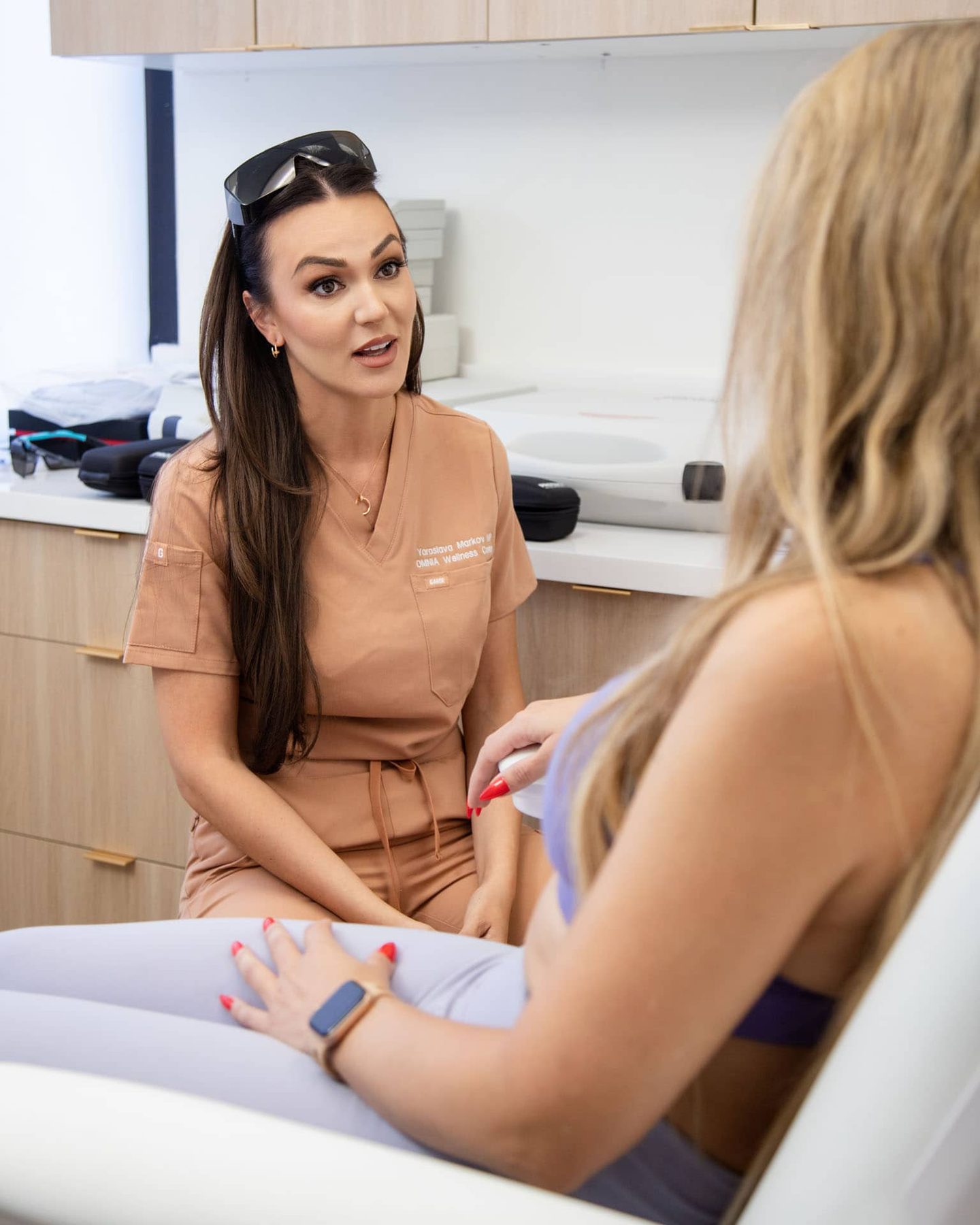
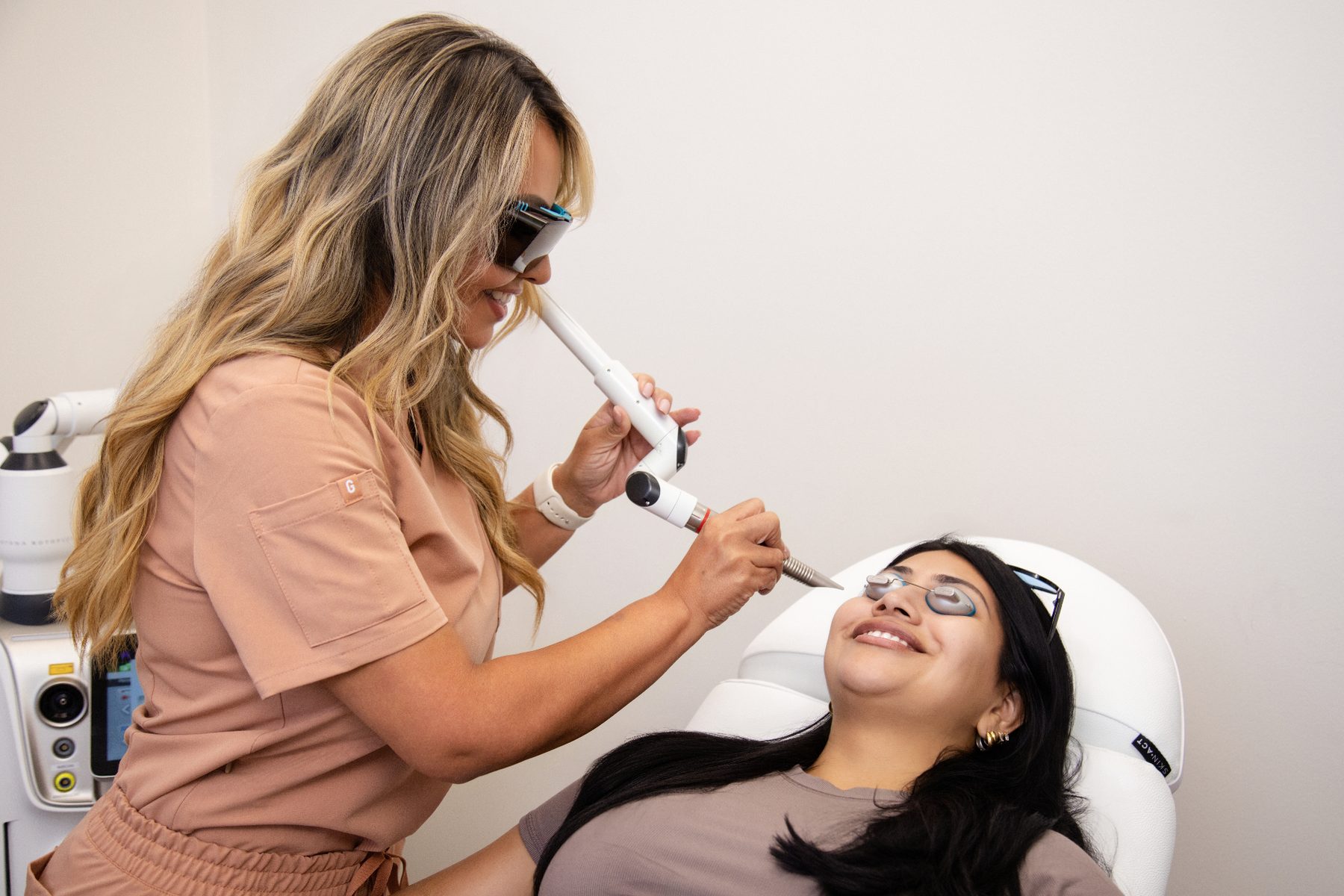
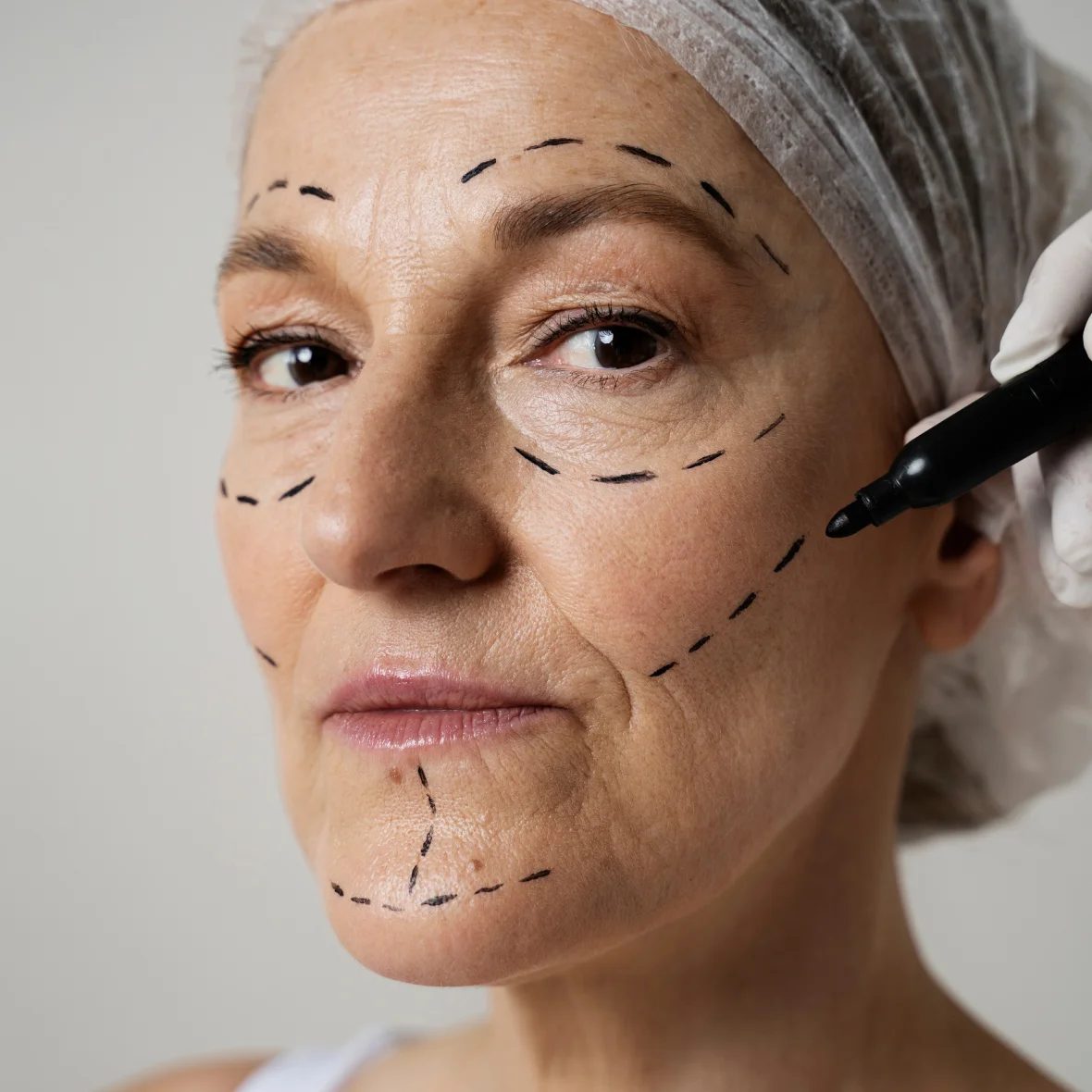
The short answer is no, not completely. The more useful answer is that the Fotona 4D Laser Facial (TimeWalker) can replace some treatments for some patients, but it cannot replace everything, and it should not be sold that way.
That distinction matters, because aesthetic medicine works best when expectations are built around anatomy, skin quality, age, healing time, and what exactly bothers the patient when they look in the mirror. “I want tighter skin” can mean very different things in clinic. One person means crepey cheeks after weight loss. Another means jowling along the jawline. Another is bothered by lipstick lines and a flattening upper lip. Those are not the same problem, and they do not respond to the same treatment, no matter how elegant the marketing copy sounds.
Fotona 4D, often delivered on the TimeWalker platform, has earned attention because it is unusually versatile. It combines several laser modes in one treatment session, working both inside the mouth and on the skin surface. That gives it a broader range than many single-purpose devices. It can stimulate collagen, improve texture, soften fine lines, and create a modest lifting effect in the right candidate. For the patient who wants visible improvement without injectables, surgery, or a week of social downtime, that combination is appealing.
Still, versatility is not the same thing as universality. A treatment can be excellent and still have limits.
What the Fotona 4D Laser Facial (TimeWalker) actually does
The appeal of the Fotona 4D Laser Facial (TimeWalker) lies in layering. Rather than treating only the top layer of skin or only deeper tissue, it typically combines multiple passes designed to target different depths and concerns. Depending on the protocol and the clinician’s approach, it may include an intraoral tightening step, a deeper collagen-stimulating pass, a fractional resurfacing component, and a polishing finish that improves surface brightness.
That sounds technical because it is. But in practical terms, the treatment is trying to do several jobs at once. It aims to tighten from within, stimulate support structures in the dermis, refine texture, and improve reflectivity so the skin looks fresher. This is why patients often describe the result not as a dramatic change, but as looking “better rested” or “more put together” even when they cannot point to one specific feature.
That broad improvement is where Fotona 4D shines. It is often strongest in the patient whose complaint is diffuse aging rather than one severe issue. Mild lower face laxity, early nasolabial creasing, fine smoker’s lines, rough texture, and a general loss of snap in the skin can all improve in one treatment plan. If a person has a little of everything, this kind of multitiered laser can be more satisfying than chasing each issue separately with a dozen narrowly targeted procedures.
Where it can genuinely replace other treatments
There are real cases where I would rather see someone start with this than jump immediately to fillers, aggressive resurfacing, or surgery. Usually, those are patients with early to moderate aging changes who want natural movement, gradual improvement, and very little interruption to daily life.
For mild perioral lines, for example, many people assume filler is the obvious answer. Sometimes it is not. If the problem is etched texture and loss of skin quality around the mouth rather than volume deficiency, adding filler can make the area look heavy or slightly overworked. In that setting, an intraoral tightening approach combined with controlled resurfacing often makes more sense. The result is usually subtler than filler, but also cleaner and more age-appropriate.
The same is true for patients asking for “a little lift” in the lower face. If they are still in the stage where the jawline is softening but not truly sagging, a collagen-driven laser treatment can be a sensible alternative to more invasive options. It will not create the kind of repositioning a surgical lift can produce, but it can postpone the point at which surgery feels necessary.
Texture is another area where the Fotona 4D Laser Facial (TimeWalker) may reduce the need for separate treatments. A patient who has enlarged pores, mild acne scarring, early fine lines, and dullness might otherwise be piecing together peels, microneedling, light resurfacing, and occasional maintenance facials. A well-designed laser series may cover much of that ground more efficiently.
It can also serve as a substitute for repeated “tweakments” in patients who are tired of chasing small concerns one at a time. That is especially true for people who do not love injectables. Some simply dislike the maintenance schedule. Others do not want any risk of shape distortion, even when the risk is low in skilled hands. For them, a laser-driven collagen strategy can be a very good fit.
Where it cannot replace other treatments
This is where honest consultation matters. The treatment cannot replace volume when actual volume loss is the dominant issue. If the cheeks have flattened, the temples are hollow, or the midface has deflated after weight loss or age-related fat loss, collagen stimulation alone will not rebuild structure in the same way filler or biostimulatory injectables can.
It also cannot replace surgery when tissue has truly descended. Once jowls become prominent, neck laxity is advanced, or the lower face has significant heaviness, non-surgical tightening reaches its ceiling. Patients sometimes hope that enough laser sessions will produce a mini facelift. They will not. The skin may look healthier and slightly firmer, but the vector of change is different. Laser improves tissue quality. Surgery repositions tissue.
Deep dynamic lines are another limit. If forehead furrows or crow’s feet are caused mainly by muscle action, lasers can soften the skin around them but will not work like neuromodulators. Skin quality improves, etched lines may blur, but the repeated muscular folding remains unless that movement is treated directly.
Pigment is a more nuanced issue. Some laser protocols can help with uneven tone, but if melasma is the main concern, the approach needs caution. Heat can aggravate pigment disorders in some patients. Likewise, pronounced vascular redness may respond better to a different category of device aimed specifically at blood vessels. A broad anti-aging platform is not automatically the best first-line answer for every skin color concern.
The treatment comparison patients actually care about
Most patients are not asking about technology for its own sake. They are comparing trade-offs. How much does it hurt. How many sessions will I need. Will I peel. Will I look different. Is it worth the money if I could do something else instead.
Those are fair questions, and the answers depend on what you are comparing it to.
Against a standard facial, the difference is obvious. A facial can hydrate, brighten, and temporarily smooth the surface. It cannot create significant collagen remodeling. Fotona 4D is a medical treatment with a different goal and a different outcome horizon. The facial may leave you glowing for a weekend. The laser is trying to improve the architecture of the skin over weeks and months.
Against microneedling, the comparison is closer. Both aim to stimulate collagen and improve texture with relatively manageable downtime. In practice, laser often has the edge when tightening and deeper tissue remodeling are priorities, especially with the intraoral component. Microneedling can still be excellent for texture, mild scarring, and maintenance, and some patients tolerate it better or prefer its feel. But if someone wants a OMNIA Wellness Center Fotona 4D Laser Facial (TimeWalker) more comprehensive rejuvenation effect, Fotona 4D often offers a broader reach.
Against radiofrequency treatments, it becomes a matter of skin behavior and treatment goals. RF-based tightening can be very effective for some patients, especially when laxity is the dominant complaint. The feel and downtime profile differ, and outcomes depend heavily on the device and protocol. Some patients respond beautifully to heat-based tightening from RF. Others do better with laser-based tissue stimulation and resurfacing. There is no single winner across all faces.
Against filler, the philosophical difference is just as important as the technical one. Filler adds or restores volume. Laser improves tissue quality. These are not interchangeable, even if they sometimes overlap in visible effect. A softened fold after laser does not mean volume loss has been corrected. A plumper cheek after filler does not mean the skin itself is healthier.
Against surgery, the distinction is sharpest. TimeWalker treatments can refresh, refine, and modestly tighten. They cannot deliver the structural reset of a facelift, neck lift, or blepharoplasty. When a patient says, “I don’t want surgery, but I want the same result,” that is the moment a responsible clinician has to draw a clear line.
The best candidates are often not the ones asking for the most dramatic change
The happiest laser patients are often the ones with moderate expectations and early signs of aging. They notice the skin getting looser, the smile lines lingering longer, the mouth area looking tired, makeup sitting less well, and the lower face losing crispness. They still look like themselves. They simply look a bit older than they feel.
Those patients usually appreciate the kind of change laser delivers. Their friends may not ask if they had work done, but they might hear that they look well, fresh, or less drawn. In aesthetics, that is often the sweet spot.
By contrast, patients who feel desperate to “fix” a major age-related change tend to be harder to satisfy with a non-surgical option alone. The treatment may still be worthwhile, but only if its role is framed correctly. It may improve skin quality before surgery, maintain results afterward, or reduce the need for heavier camouflage with makeup and injectables. That is still valuable. It just is not replacement in the absolute sense.
Why one person calls it amazing and another says it did nothing
A lot of variability comes down to baseline skin, age, treatment intensity, and timing. Collagen remodeling is slow. Some people expect to walk out with the same instant gratification they get from filler. Laser rarely works that way. There may be an early glow from mild swelling and surface polishing, but the more meaningful changes usually evolve gradually.
The operator matters too, more than many patients realize. Platforms like TimeWalker are flexible, which is a strength, but flexibility also means results depend on how the treatment is customized. Energy settings, pass selection, spacing between sessions, and whether the protocol is conservative or assertive all affect outcome. Two clinics can advertise the same branded treatment and deliver a noticeably different experience.
There is also a candid truth that gets skipped in marketing. Some faces are simply more responsive. Thicker skin with mild to moderate laxity often shows tightening better than very thin, heavily sun-damaged skin with advanced tissue descent. Smokers, patients with poor wound healing habits, and those with significant photodamage may still benefit, but they often need more sessions and more patience.
Downtime, discomfort, and the reality of maintenance
One reason the Fotona 4D Laser Facial (TimeWalker) is attractive is that it tends to sit in a useful middle ground. It is usually more substantial than a spa-style treatment, but less disruptive than aggressive ablative resurfacing. That said, “no downtime” is often overstated in aesthetics. Many patients have some redness, warmth, swelling, or a sandpapery feel afterward. The level varies with the depth and intensity of the resurfacing step.
Most people can return to normal activity quickly, but social confidence is not the same as technical downtime. Someone with an office job may feel fine logging into meetings the next day, while a person attending a wedding or filming on camera might prefer a wider buffer. These are practical details that make or break satisfaction.
Maintenance also matters. Even when results are good, aging continues. Lifestyle continues too. Sun exposure, smoking, poor sleep, fluctuating weight, and inconsistent skincare can erode gains faster than patients expect. A good result is rarely one-and-done forever. It is more accurate to think in phases: an initial series, a period of visible improvement, and then maintenance sessions spaced according to skin behavior and goals.
A useful way to think about replacement
The word “replace” can be misleading because it implies a one-for-one swap. A better question is whether this treatment can reduce your dependence on other procedures.
For many patients, the answer is yes.
It may reduce the amount of filler needed around the mouth because the skin itself is smoother and tighter. It may postpone surgery because the lower face looks firmer for a while. It may reduce the need for frequent light peels or glow-oriented facials because the surface texture and brightness improve. It may even help someone avoid over-treatment by consolidating several mild concerns into one coherent plan.
That is a more realistic and more clinically useful definition of success.
When combination treatment is the smarter choice
Some of the best results come from not forcing one tool to do every job. A patient with mild lower face laxity, sun damage, and cheek deflation often does better with a thoughtful combination than with any single modality used beyond its natural limits. A modest amount of structural support, paired with collagen stimulation and good skincare, often looks more believable than pushing one treatment repeatedly in hopes of a miracle.
There are a few signs that combination treatment may be wiser than relying on laser alone:
- your main issue is loss of facial volume rather than skin texture
- you have significant jowling or neck laxity
- your lines are driven strongly by muscle movement
- your pigmentation history suggests heat sensitivity or melasma risk
- you want a dramatic result on a short timeline
None of that means the laser has no place. It means its role needs to be chosen carefully.
Questions worth asking before you book
A strong consultation is usually more revealing than the treatment menu. If the clinic cannot explain what component of aging they are targeting in your face, that is a warning sign. Generic promises about tightening and glow are not enough.
Ask what changes are realistically expected in your specific case, not in a stock before-and-after of someone with a different bone structure, skin thickness, and age. Ask whether the treatment is being recommended as a primary solution or as part of a larger plan. Ask how many sessions are typical for your baseline, what the downtime usually looks like in real life, and which alternatives were considered.
Most importantly, ask what this treatment will not fix. That single question tends to separate thoughtful practitioners from sales-driven ones.
So, can it replace other treatments?
Sometimes, yes. Completely, rarely.
The Fotona 4D Laser Facial (TimeWalker) is best viewed as a sophisticated regenerative treatment for early to moderate signs of aging, especially when the goal is fresher skin, better texture, soft tightening, and natural-looking improvement without obvious volume change. In that lane, it can absolutely stand in for a range of lower-impact treatments and may help some patients use less filler or delay more invasive procedures.
But it does not replace anatomy. It does not restore lost facial fat the way volumizing treatments can. It does not reposition descended tissue the way surgery can. It does not stop muscle movement the way neuromodulators can. And it does not erase the need for good skincare, sun protection, or maintenance.
When patients understand that, they tend to evaluate the treatment more fairly and appreciate it more. It is not magic. It is not a facelift in disguise. It is a versatile, well-conceived option that can do a lot, provided it is used for the right face, for the right reason, at the right moment.
OMNIA Wellness Center
Address: 16430 Ventura Blvd Ste 207, Encino, CA 91436
Phone: (818) 386-8511
FAQ About Fotona 4D Laser Facial (TimeWalker)
What are the benefits of Fotona laser treatment?
OMNIA offers this treatment for concerns such as uneven texture, dull tone, and fine lines. Results and the number of sessions vary, so discuss your goals with a provider.
Is Fotona laser safe?
A qualified provider should review your skin, medical history, medications, and recent sun exposure to determine whether the treatment is appropriate. Ask about possible irritation, pigment changes, and aftercare before booking.
How much does a Fotona 4D facelift cost?
Price depends on the treatment plan and number of visits. Ask OMNIA for an itemized estimate during your consultation.